Zhihai Zhang
(b. 1994, Fuzhou)
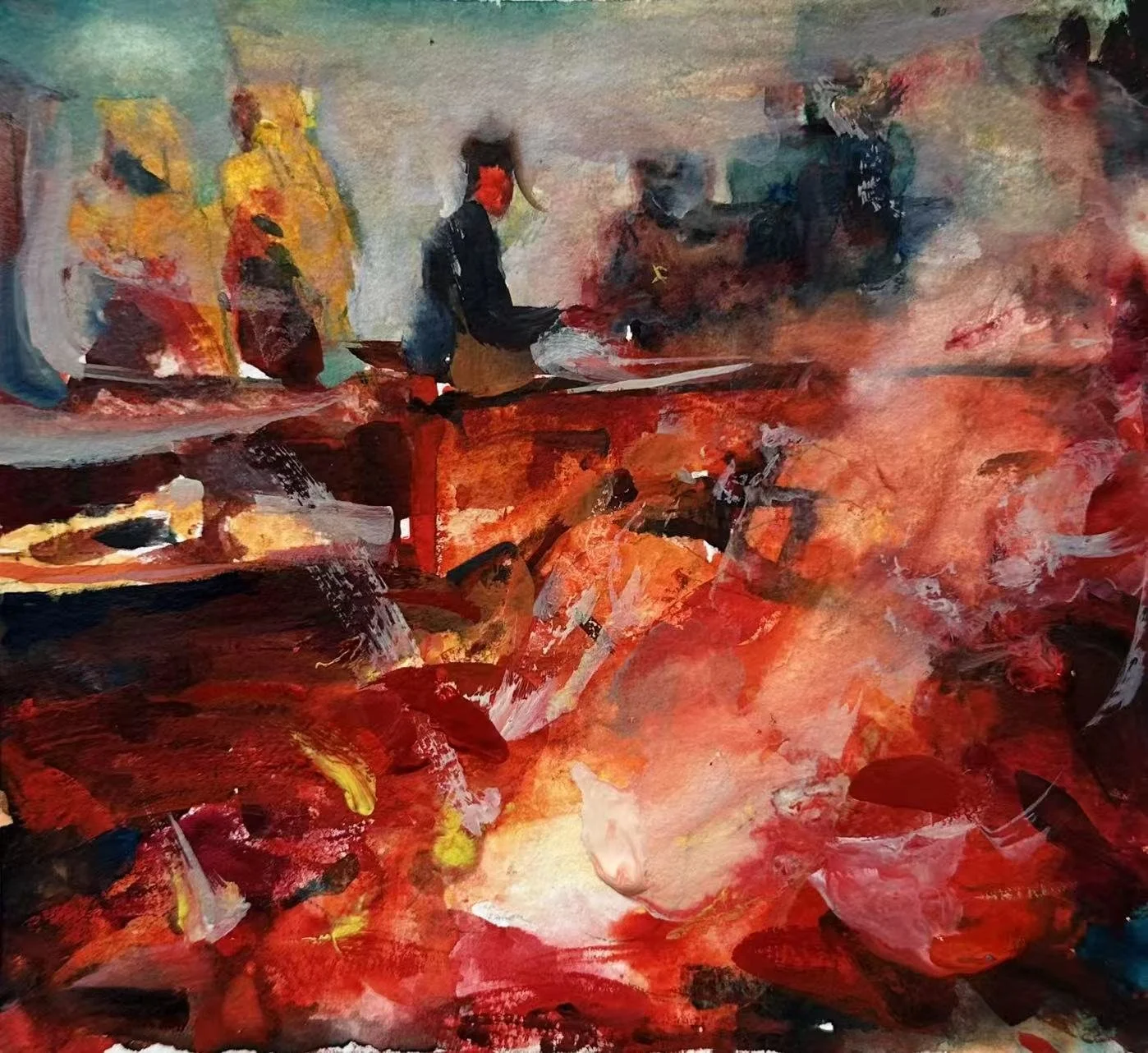
Lecturer at CAFA; BFA, MFA, PhD from Repin Academy of Fine Arts, Saint Petersburg. His magical realist paintings transform personal memories and Fuzhou folk rituals into surreal visual narratives exploring memory, cultural identity, and the sacred-mundane coexistence.
The Dream Journey of "Menchong"
The name "Menchong" (门虫) derives from the character "闽" (Min), representing Fujian Province. As a child, I often heard locals joke: "Inside the door is a worm; outside Fujian, one becomes a dragon." Driven by this curiosity, I left Fuzhou over a decade ago to study and work—moving from Fuzhou to St. Petersburg, then to Beijing. Yet whether I was a "worm" or a "dragon," the answer remained elusive. Returning home with these questions, I sought to reconnect with the city through its streets and alleys, and in doing so, rediscover myself.
I have wanted to create this series since 2020, rooted in childhood memories and a fresh perspective from returning home. Though delayed by commitments and met with skepticism, I followed my heart to create work that truly reflects my experiences. Thus, the Menchong's Journey series was born. Continuing the creative approach of the Teahouse Series, it focuses on ordinary people, local culture, and everyday struggles—but unlike the Teahouse Series, which represents Sichuan's regional culture, Menchong is about my familiar hometown.
In this series, the figures of my childhood friends from Fujian, familiar people and events, all become subjects of my research, allowing my creations to increasingly reflect my authentic self. Visually, I constantly revisit my roots, exploring my earliest paintings and the state of mind I cherish.
The idea of a "spiritual journey" best captures my lived experience of this city. Life in Fuzhou unfolds with a sense of looseness and ease, almost like an immortal way of living—drinking tea, eating fresh food, sitting in shaded green parks, and taking afternoon naps. These ordinary moments form the most vivid and moving texture of daily life. At the same time, Fuzhou has long been associated with a rich presence of the mystical and the uncanny. In recent years, the widely recognized folk practice of "Gods' Procession" has become a collective ritual that reconnects Fuzhou people across regions, serving as a symbolic return to the hometown. As an elder from Changle District remarked, "When we carry out the Gods' Procession, we are inviting those who came before us back home for the New Year." This statement continues to resonate deeply with me. Within its simplicity lies a system of belief and endurance passed down through generations in rural life. It is precisely for this reason that the coexistence of gods and humans is not extraordinary here, but rather an entirely ordinary and deeply rooted part of everyday existence.
The three works presented here—"Growing Pains", "The Flame on the Way Home", and "Dream Treasure Hunt"—serve as the initial chapter of the Menchong's Journey series. As a starting point, they aim to bring the viewer into my lived reality through a magical and surreal perspective. Rather than departing from reality, this approach allows me to reframe it—using elements of the fantastical to reveal the emotional, cultural, and experiential layers embedded within everyday life.
Hao
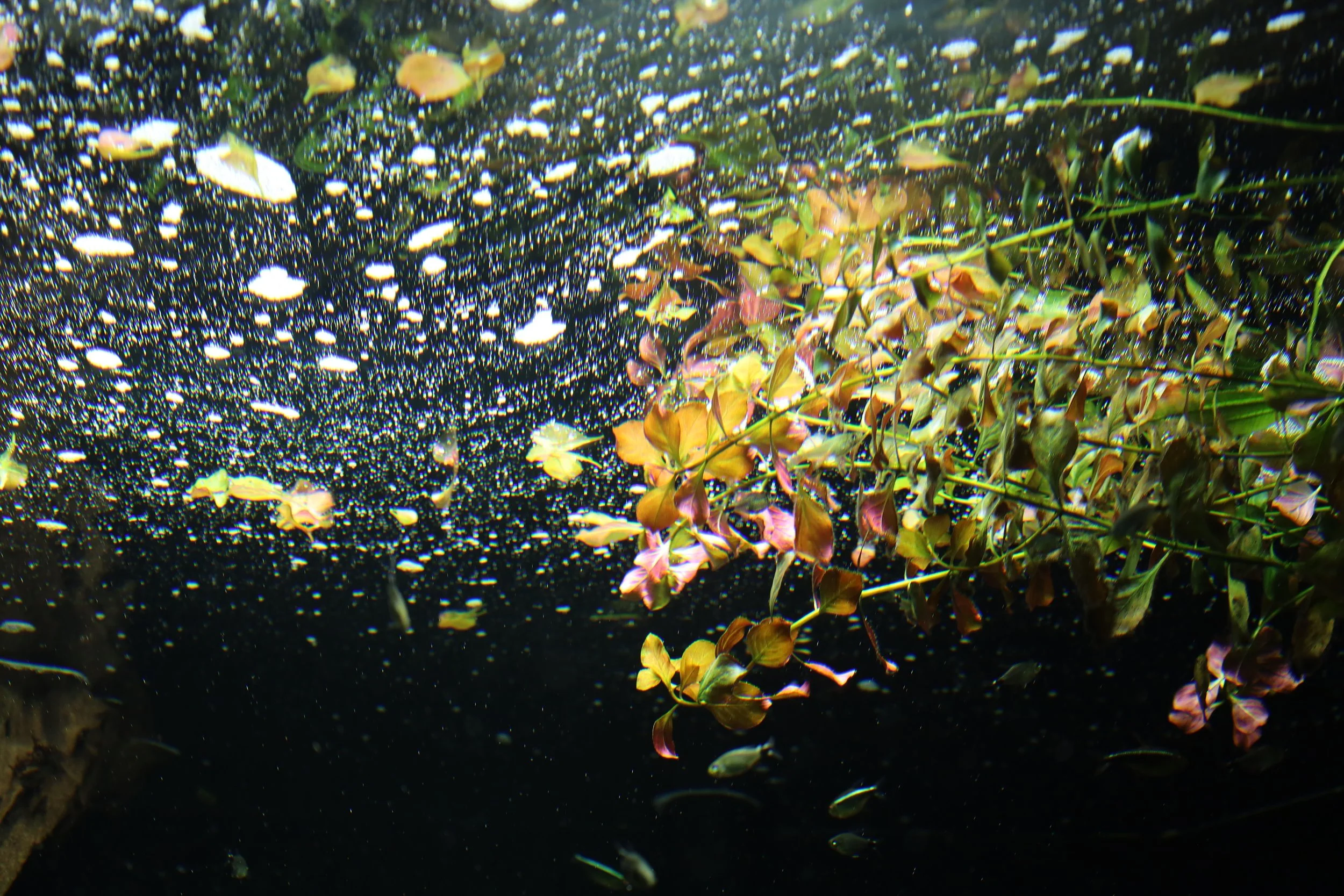
Wu Hao (b. 1995, China) is an independent curator, Ph.D. candidate based in Berlin and Beijing, researching narrative methodologies for academic archives through photography. She is currently a third-year Ph.D. candidate in Cross-Cultural Art Management at the Central Academy of Fine Arts (CAFA) and a Joint Ph.D. Fellow at Freie Universität Berlin, supported by the China Scholarship Council. She holds a Master’s degree in Classical Music Management from the University of Liverpool.
Hao’s practice is grounded in a global cross-cultural context, bridging the gap between theoretical research and on-site exhibition practices. Her work focuses on cross-cultural art management theory, the construction of urban art ecosystems, and the spatial narrative of Chinese artifacts in overseas museums. Through comparative studies of Eastern and Western art, she explores innovative methods for interpreting Chinese cultural heritage abroad and fostering contemporary urban art ecologies. Her research aims to reconstruct the spatial narratives of cross-civilizational dialogues, offering new perspectives on how historical artifacts interact with modern public spaces.
Xinlong Li
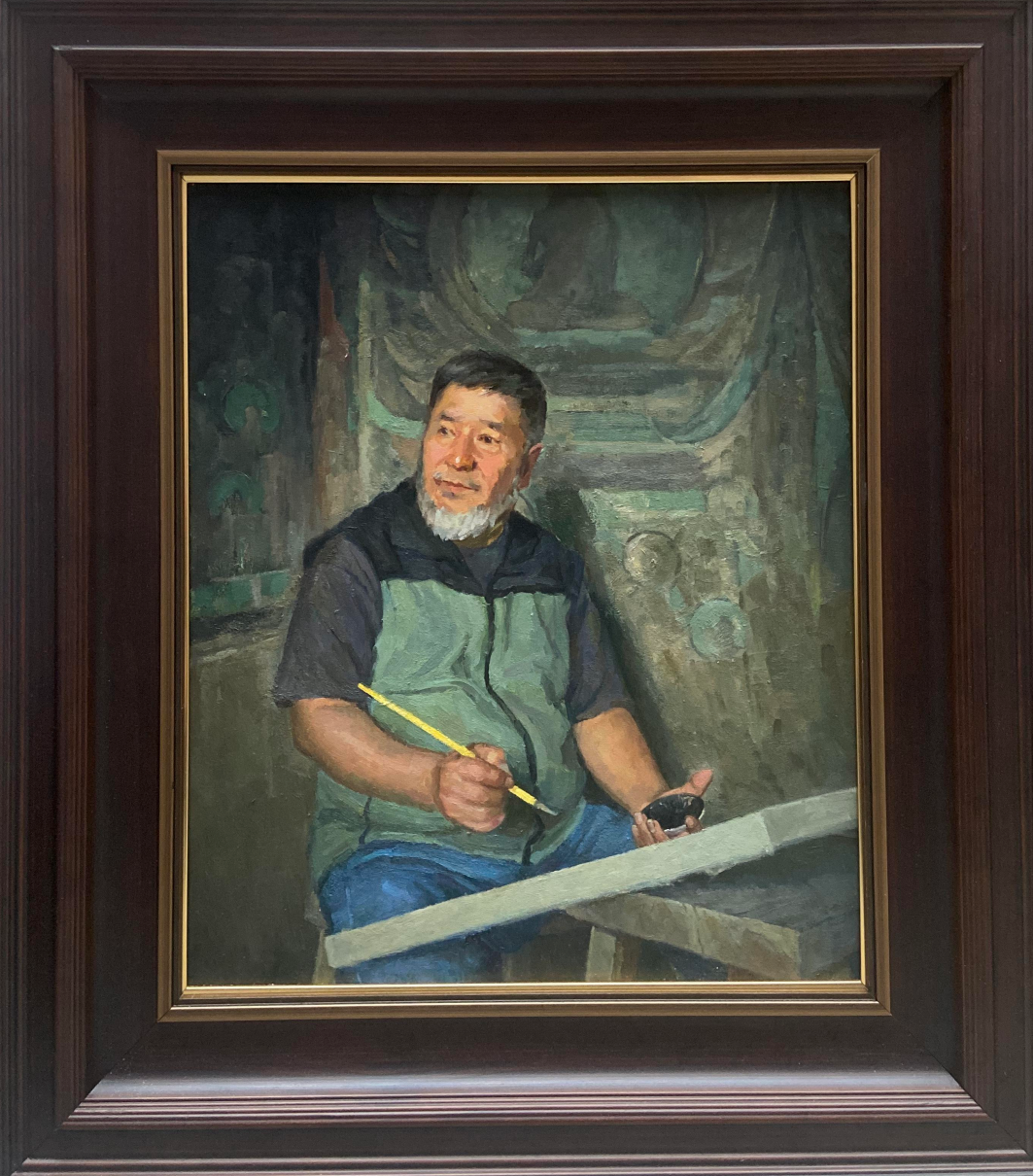
Li Xinlong (b. 1991, China) is an emerging realist painter and researcher based in Beijing. He is currently a first-year Ph.D. candidate in Oil Painting Language Studies at the Central Academy of Fine Arts (CAFA), where he also completed his BFA and MFA.
Li’s practice is deeply rooted in the classical lineage of the Rites of Zhou (Zhouli), reinterpreting ancient philosophies of urban planning, craftsmanship, and lineage through the lens of contemporary Chinese modernization. By synthesizing the narrative logic of documentary filmmaking with rigorous oil painting techniques, he constructs a visual archive of "ordinary guardians"—ranging from urban infrastructure workers and Olympic champions to intangible cultural heritage inheritors. His work transcends mere portraiture, aiming to bridge the agrarian civilization of the past with the maritime connectivity of the Belt and Road Initiative. Through his "Guarding the Land and Inheriting the Flame" series, Li explores the universal human spirit of resilience and duty, fostering a cross-cultural dialogue that highlights the shared dignity of labor across different civilizations.
Echoes of the Grottoes
This work stages a spiritual dialogue across time and space, set against the weathered textures of Dunhuang murals—millennia-old treasures of the Silk Road. Born from ancient trade, these caves absorbed diverse aesthetics to form an inclusive and compassionate Eastern beauty, bearing witness to the fusion of civilizations. A barefoot girl in a black dress stands solemnly, cradling a flickering candle. The flame symbolizes both innocent purity and the enduring spark of civilization, its warm glow illuminating the aged murals. Her reverent expression reflects contemporary youth's awe for this heritage, using the candlelight as a bridge between past and present—a pledge to carry forward the Silk Road's artistic legacy with sincere devotion.
Embers of Tradition
Centering on an opera performer in a magnificent red dragon-embroidered robe, this piece celebrates the exquisite craftsmanship of traditional theater. The figure gazes sideways at faint ancient murals on the wall, creating a visual dialogue between the tangible present and the intangible past. The vibrant costume contrasts softly with the mottled, time-worn background. The actor’s stillness embodies the quiet perseverance of inheritors who guard tradition in solitude. Through oil painting, I capture their dedication: the bright stage attire is a living vessel of heritage, while the murals behind echo ancient civilization. It is a tribute to those who, with one costume, continue the thousand-year-old cultural lineage with humility and sincerity.
NEW DAY, RURAL ROOTS
Capturing a corner of a rural convenience store, this realistic oil painting uses a micro-view of daily life to reflect the new face of the countryside. The scene is rich with detail: neatly arranged drinks, QR codes for payment, surveillance cameras, and air conditioners coexist with traditional snacks, replacing the old image of rustic simplicity. Behind the counter, the shopkeeper sits peacefully amidst the hustle of daily necessities. The mottled walls retain a rustic, earthy tone, while modern amenities signal a comprehensive upgrade in material life. Eschewing grand narratives for the ordinary marketplace, the store serves as a hub for community exchange. The collision of old and new clearly demonstrates the progress in infrastructure and consumption. This slice of life, filled with warmth and vitality, records the steady, vibrant advancement of rural society in the new era.
Yongchun Yang
Yang Yongchun (b. 1998, China) is a visual artist and designer based in Beijing. He is currently pursuing his M.F.A. in Digital Media at the Central Academy of Fine Arts (CAFA), where he also received his B.F.A. in Visual Communication Design.
Yang’s practice focuses on visual communication and spatial experience, translating complex narratives into compelling visual identities. As a Design Director for major exhibitions like the "Art Corridor in Motion: Beijing Subway Mural Exhibition," he creates comprehensive visual systems that shape public engagement. His work extends to public and commercial projects, including the poster series "Beauty is Diverse" and various branding initiatives, demonstrating his ability to structure visual information and influence how audiences perceive their cultural environment.
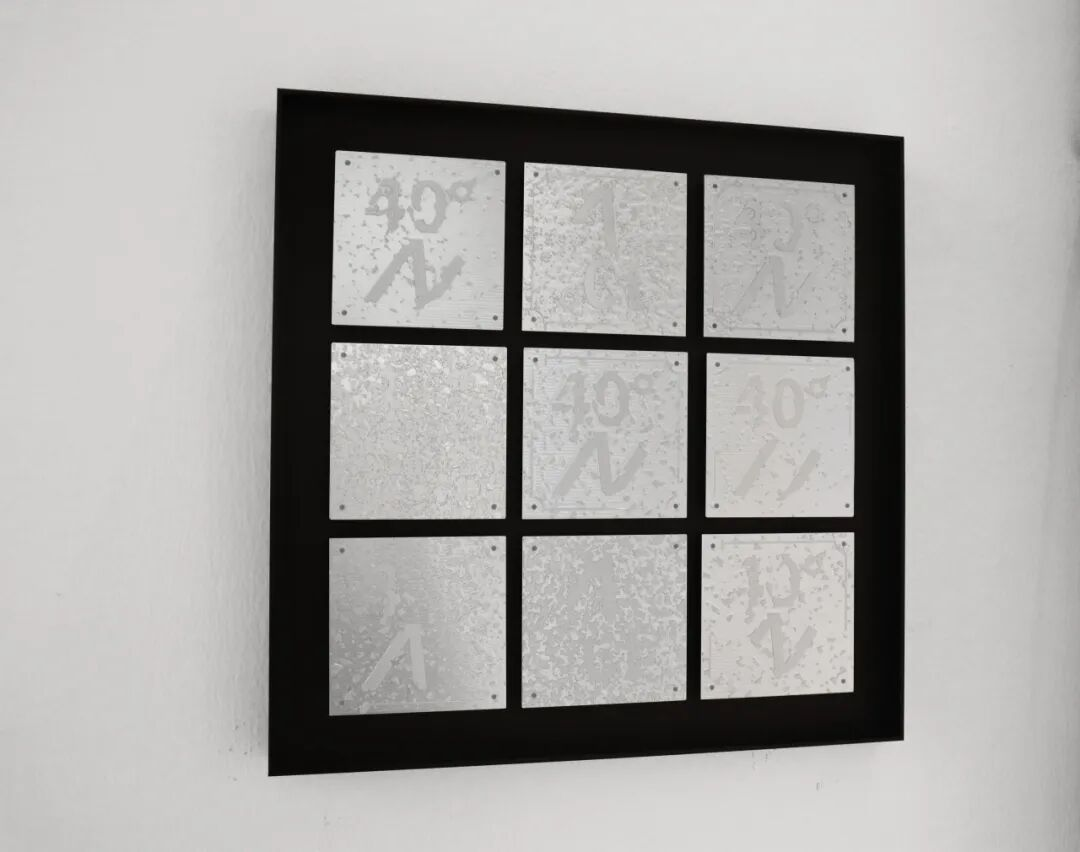
BETWEEN 39°N AND 40°N
Centered on the concept of "direction," this artwork appropriates urban street signs as its core visual motif. While street signs traditionally dictate objective spatial navigation, this work subverts their function by altering their textual content. The spatial binaries of front/back, left/right, and up/down are transformed into subjective orientations, reflecting an individual’s cognitive judgments and personal experiences within an objective environment. Through this conceptual displacement, the artwork articulates a dialectical inquiry into the true nature of "direction."
Jinjian Zhang
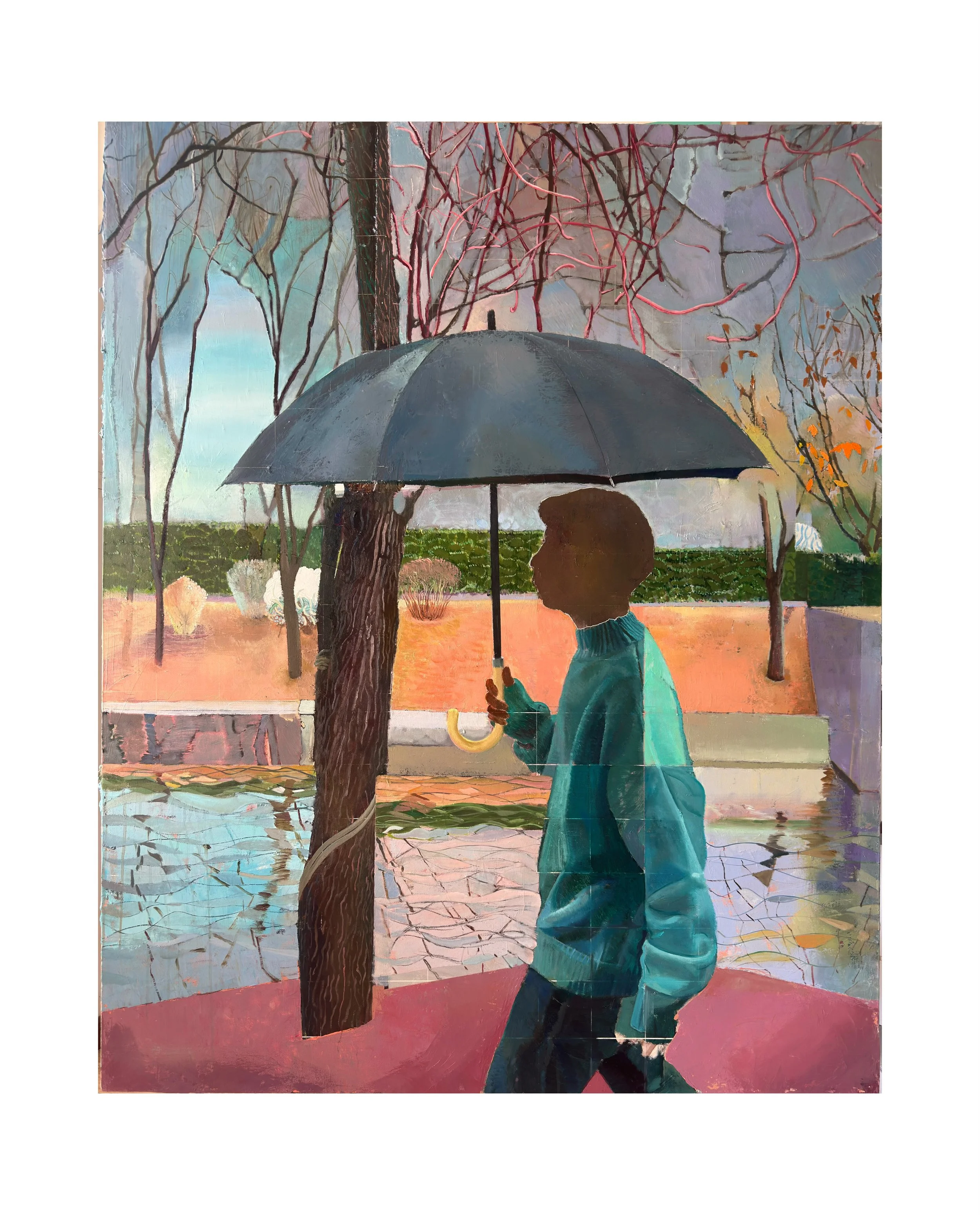
Zhang Jinjian (b. China) is an emerging oil painter based in Beijing. He received his M.F.A. in Oil Painting from the Central Academy of Fine Arts (CAFA) in 2025. His work has been featured in prominent national and international exhibitions, including the Titian International Portrait Painting & Sculpture Competition in Italy (2024), the Art Bridges: Antwerp to Beijing & Back Again exhibition in Belgium (2024), and the Jiangnan as a Painting Chinese Oil Painting Exhibition in Suzhou (2025).
Zhang’s practice explores the depth of "traces" within a two-dimensional plane. Through the layering of mixed media and the orchestration of color, form, and brushstrokes, he creates a dialectical space suspended between 2D and 3D, where traces exist simultaneously as image and material object.
In his recent figurative works, Zhang juxtaposes childhood innocence against grand national narratives. Employing a gridded composition and flattened pictorial space, he gathers iconic botanical symbols from across China to represent diversity. This visual strategy generates a sense of "familiar strangeness," achieving internal coherence through rhythmic unity and reflecting a philosophy of harmony within difference.
All Branches Toward The Sea
The canvas unites clashing botanical forms — thorny cacti, twisting vines, broad foliage and aged timber — coexisting within one unified pictorial space. These varied plants stand as metaphors for disparate ethnicities and cultures, each retaining unique traits while dwelling side by side to embody harmonious coexistence across differences.
I construct intentional formal tension through opposing painterly approaches. Ornamental linear patterns and flattened color planes dismantle conventional one-point perspective, erasing spatial divides to bind disjointed motifs into a cohesive decorative field. Select passages—the child’s figure, gnarled tree trunks—hold restrained realist rendering, grounding the composition in tangible, tactile physicality.
This dialogue between decorative flatness and restrained realism visualizes the core concept: individual identities stay intact, even as cultural borders soften into collective harmony.
The distant ocean functions as a universal horizon. Every distinct vegetal element converges toward this single stretch of sea, signifying shared human aspirations that transcend all cultural divides.
Jiaxin Chen
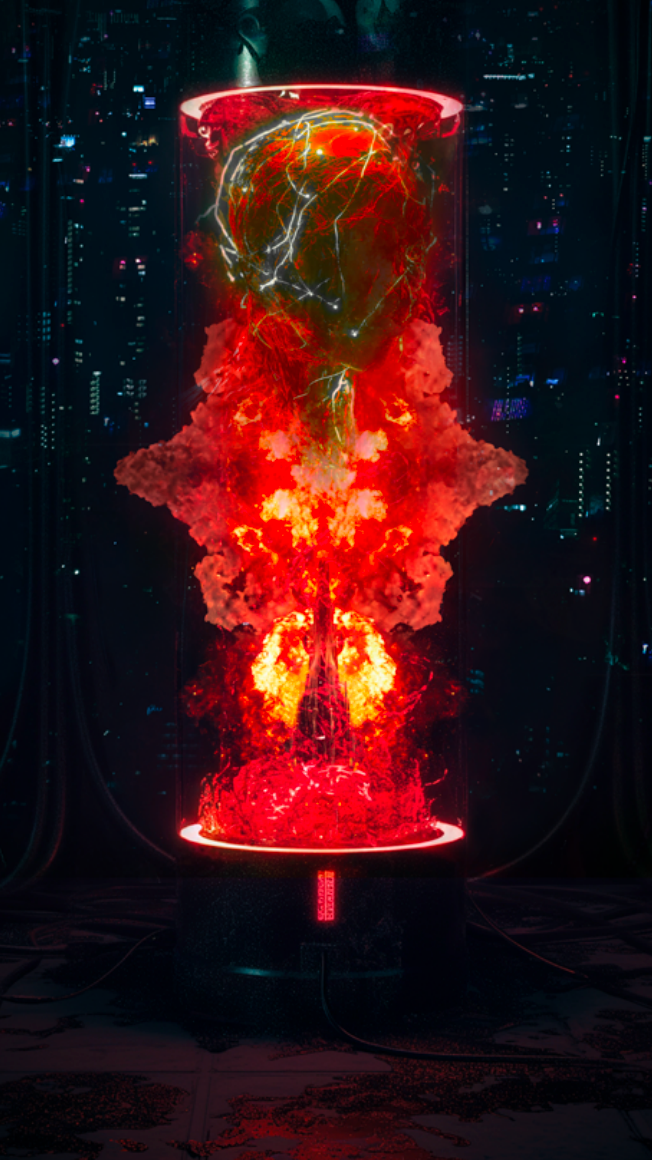
Chen Jiaxin (b. China) is a visual artist and researcher based in Beijing. She holds an M.F.A. in Digital Imaging Art from the Central Academy of Fine Arts (CAFA), where she also completed her B.F.A. in Fashion Design.
Chen’s practice investigates the aesthetics of technology and the nature of post-human existence through a multidisciplinary approach that encompasses photography, video, and algorithmically generated art. Her work often explores the tension between the organic and the artificial, creating speculative visual worlds that question the boundaries of life, identity, and the body in the digital age.
Her work has been exhibited in prominent venues including the Water Cube and Bird's Nest in Beijing, X Museum, and the "Qian Li Zhi Xing" (Journey of a Thousand Miles) exhibition showcasing the best graduate works from China's top art academies. She was selected for the prestigious 2025 "Excellent Young Chinese Artists" Cultivation Program and has been recognized with awards such as the "Future Youth Award" at the Alibaba D20 AIGC Imaging Competition. Her work is also part of the collection at the CAFA Art Museum.
URBAN ILLUSION
Digital Imagery | Urban Architecture
Encoding and Decoding | Urban Symbols
Digital Translation | Consumer Culture
This artwork takes consumer culture as its foundation, aiming to construct a surreal urban landscape. Drawing on typical consumer symbols such as alienated architecture, commercial totems, and neon spectrums from modern urban spaces, the piece integrates digital technologies, photographic documentation, 3D compositing, and AI-generated imagery. Through these artistic techniques, physical buildings are liberated from their geographical constraints and reassembled into a malleable visual narrative language.
Pumu(Weihong) Huang
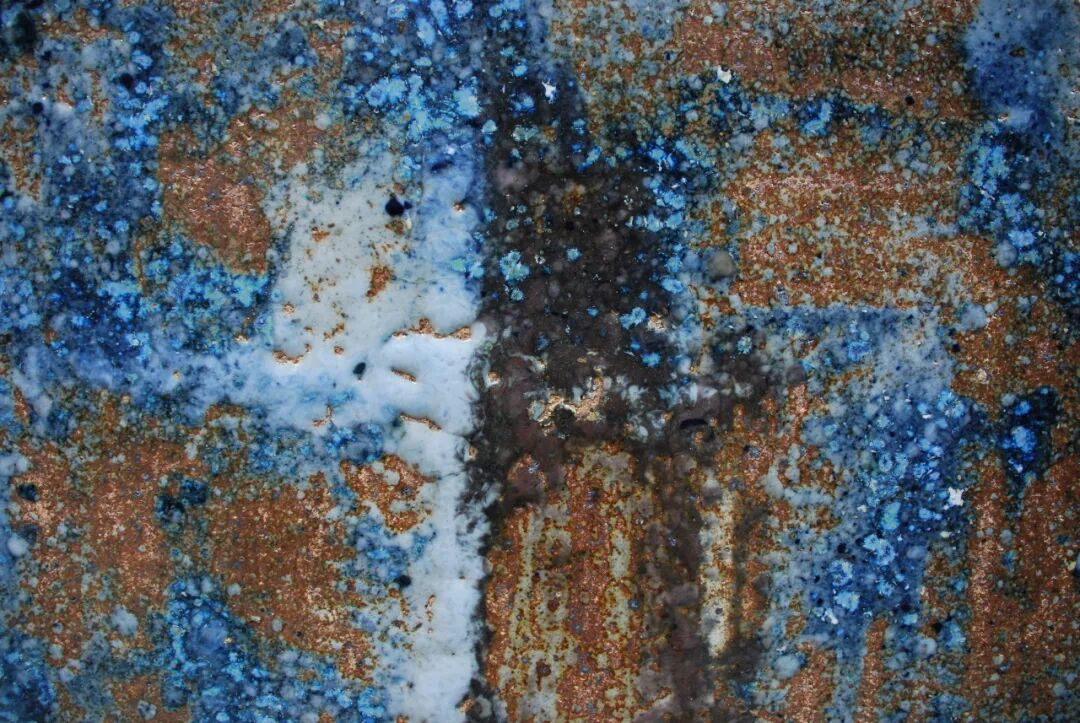
Huang Weihong (b. 1996, China) is a visual artist based in Beijing. She holds an M.F.A. in Mural Art from the Central Academy of Fine Arts (CAFA), where she also received her B.F.A. in the same discipline.
Huang’s practice is rooted in the traditions of mural art, which she expands through the innovative use of mixed media and ceramic glazes. Her work explores the intersection of color, form, and materiality, often drawing from her extensive research into traditional Chinese murals and her practical experience with high-temperature ceramic firing techniques developed in Jingdezhen. This unique synthesis allows her to translate the monumental scale and narrative depth of mural painting into contemporary, tactile objects.
Her work has been featured in solo and group exhibitions in China and internationally, including at the Tomarelli Art Gallery and Steneby Gallery in Sweden, the Yuan Art Museum in Beijing, and the Qiumo Art Museum in Jingdezhen. Her pieces have been acquired by private collectors and institutions, including the Tomarelli Art Gallery.
TRACE
"Trace" is both the imprint of time and the cipher of life. The porcelain panel painting Trace employs porcelain as paper and fire as brush, condensing the abstract concept of "trace" onto a small porcelain surface in an attempt to explore the deep connections among the passage of time, the imprints left by life, and artistic expression. Contemporary porcelain panel painting emphasizes, on the basis of inheriting traditional aesthetic paradigms and craft systems, the presentation of aesthetically modern pictorial schemas through individual artistic language, thereby conveying the creator's aesthetic sensibilities and artistic reflections. Trace is a practice carried out within this very context, striving to endow a minimalist visual language with profound philosophical significance.
Yitong Zhao
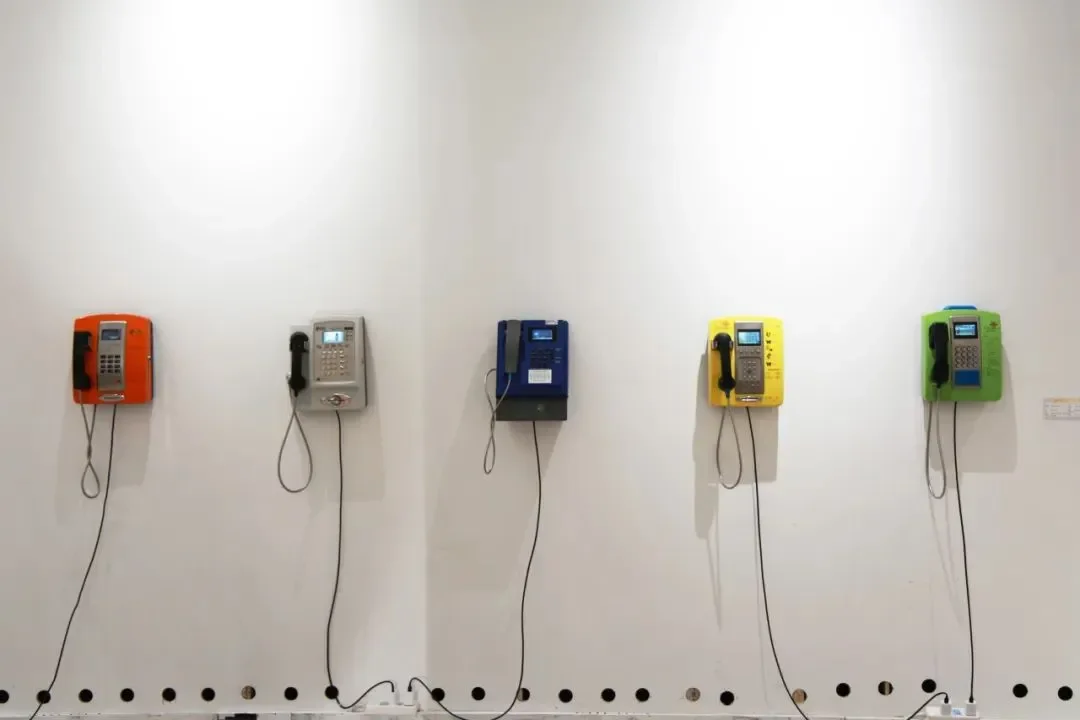
Zhao Yitong (b. China) is an artist and curator based in Beijing. She holds a B.F.A. in Experimental Art from the Central Academy of Fine Arts (CAFA), and received her M.F.A. in Overall Art and Transdisciplinary Research from the same institution in 2025.
Zhao’s artistic practice focuses on the interplay between the private and public spheres, exploring the translational space between the two. By uncovering fluid social relationships and underlying emotions, her work delves into the historical shifts and spatial-temporal overlaps embedded within them.
Her work has been featured in prominent platforms in China and internationally, including the 2025 Dali Aha Art Season, the Innovart Festival in Italy, and the CAFA Graduation Exhibition. Alongside her artistic practice, she is actively engaged in curatorial work, serving as the Executive Curator for the 2026 Anyang Yinxu Youth Art Season and the 2025 Shenzhen Bay Eye Family Reading Festival.
Phonetic Geography
The visual material is divided into video and audio segments.
For the video part, the artist filmed spontaneous phone conversations with people of varying life stages around them. These unscripted dialogues revolve around themes including growth, the future, rebellion, romantic infatuation, and long-distance separation. Subsequently, the artist held phone calls with friends from different countries centering on the same topics.
Though unable to understand one another’s languages, the speakers conversed solely in their native tongues, reading each other’s emotions through tone of voice and facial expressions. This generates a subtle, organic conversational dynamic between unfamiliar callers, evoking raw, unfiltered interpersonal communication. The original audio of the footage was ultimately replaced with these cross-cultural exchanges, yielding an immersive experience of communication across fractured time and space.
Runzhe Han
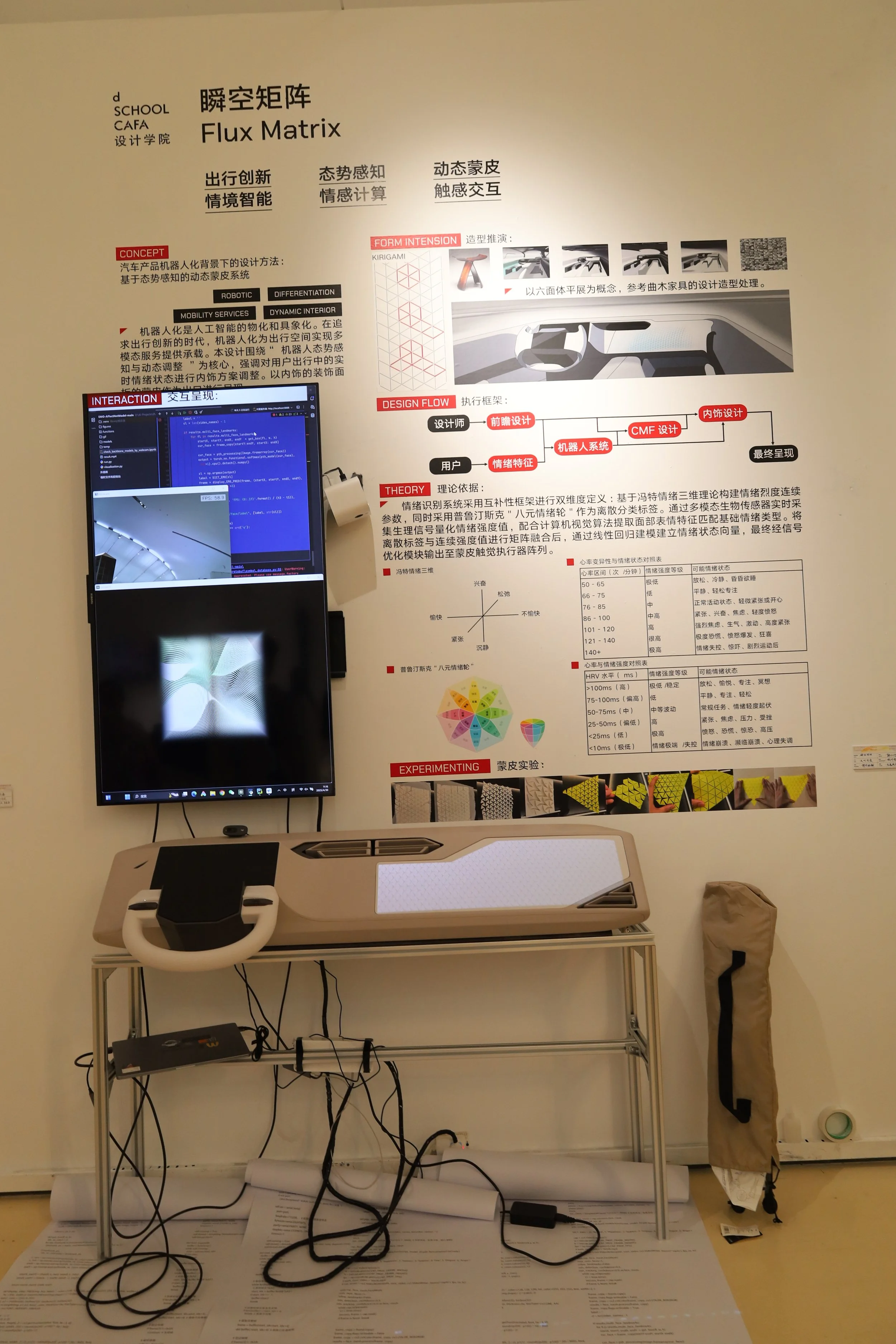
Han Runzhe (Jayden) (b. China) is an artist and designer based in Beijing. He received his M.A. in Automotive Design from the Central Academy of Fine Arts (CAFA) in 2025.
His practice explores the intersection of design, technology, and human emotion. Through interactive systems and wearable devices, he investigates how physiological data can be translated into tangible experiences. His work often employs computer vision and sensor technologies to capture and interpret human emotional states, transforming them into haptic feedback or other sensory outputs.
A key project, Instant Matrix, exemplifies this focus. It is a system that captures physiological signals and facial expressions in real-time, classifying emotions and quantifying their intensity. This data is then processed and delivered as tactile feedback through an array of skin-worn actuators, creating a direct, physical dialogue between the user's internal state and the external world.
Instant Matrix examines how human emotions are perceived, translated, and reshaped by intelligent systems. A camera captures subtle changes in the viewer’s facial expressions, while artificial intelligence interprets these signals as emotional data. The data is transformed in real time into a shifting matrix of point-cloud particles, whose movement, density, color, and rhythm attempt to soothe or intensify the perceived emotion. By turning an intimate and unstable experience into a visible computational landscape, the work creates a feedback loop between viewer and machine. It asks whether technology simply reflects what we feel, or whether the algorithmic gaze quietly influences how emotion is recognized, performed, and experienced. Within this evolving field, the boundary between the inner self and the external system becomes uncertain.
Xinyi Chen
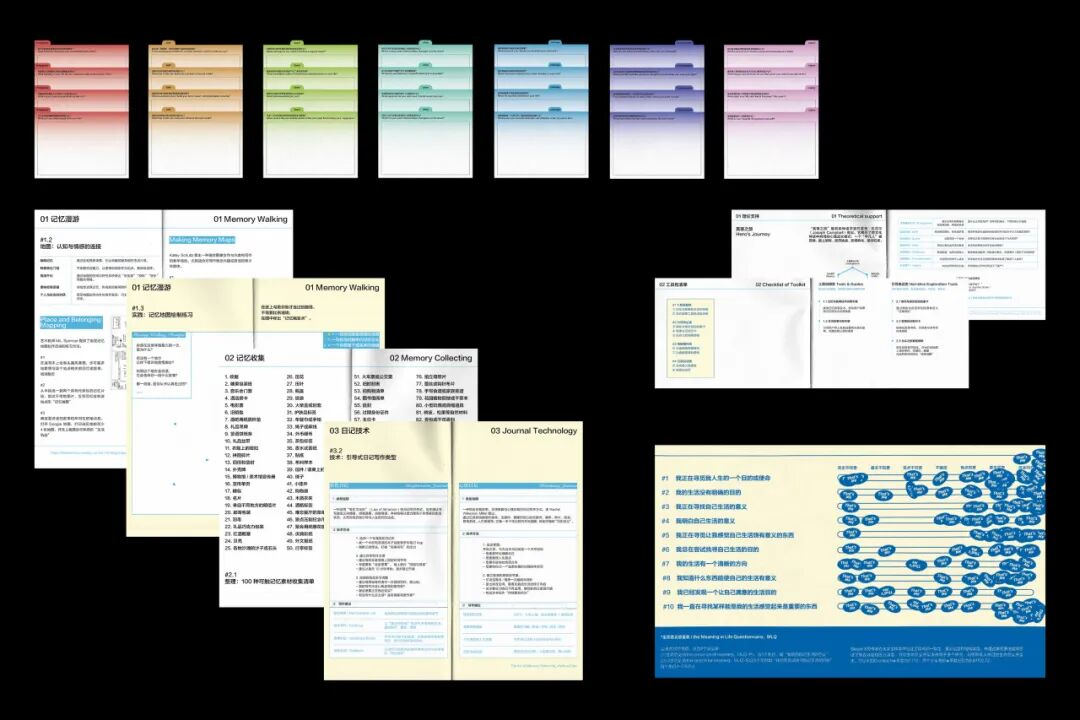
Chen Xinyi (b. China) is an artist and creative designer based in Shanghai. She holds a B.F.A. in Digital Media Art and an M.A. in Art Therapy Research from the Central Academy of Fine Arts (CAFA).
Her practice employs art therapy as a creative methodology, intervening in visual design to address the collective "loss of meaning" and weakened self-perception prevalent in the information age. She advocates for art as a medium for public life narratives and self-exploration, working at the intersection of art, design, psychology, and society.
Chen has applied this approach in various projects, including developing art psychology courses for the VIVA Life Education Foundation and conducting art rehabilitation research for the Golden Wings Foundation. Her work has been recognized with a nomination for the YoungBattle Graduate Award and an invitation to the ARTLINGO 2022 ET Bluebird Dream-Building Program.
LIFE NARRATIVE TOOLKIT
In contemporary society, information overload and rapidly advancing technology have gradually diminished people's capacity to systematically process and perceive their own memories and lived experiences, giving rise to a collective sense of meaninglessness and blurred self-identity.
Grounded in narrative therapy, this project develops a low-threshold visual dialogue toolkit that helps individuals reconstruct their life narratives through visual means. Comprising three prototypes—a technical manual, narrative guidance cards, and a sandbox construction set—the toolkit translates abstract memories into tangible, hands-on narratives.
Designed for both personal reflection and group psychology workshops, it requires no prior artistic skills. Through collage, marking, and arrangement, users re-enter dialogue with themselves, explore inner landscapes, and counter the pervasive sense of meaninglessness in modern life.
RESEARCH & CREATORS
We gather global youth art researchers with both creative talent and critical thinking – not merely creators, but documentarians of local culture and practitioners of cross-civilization dialogue.