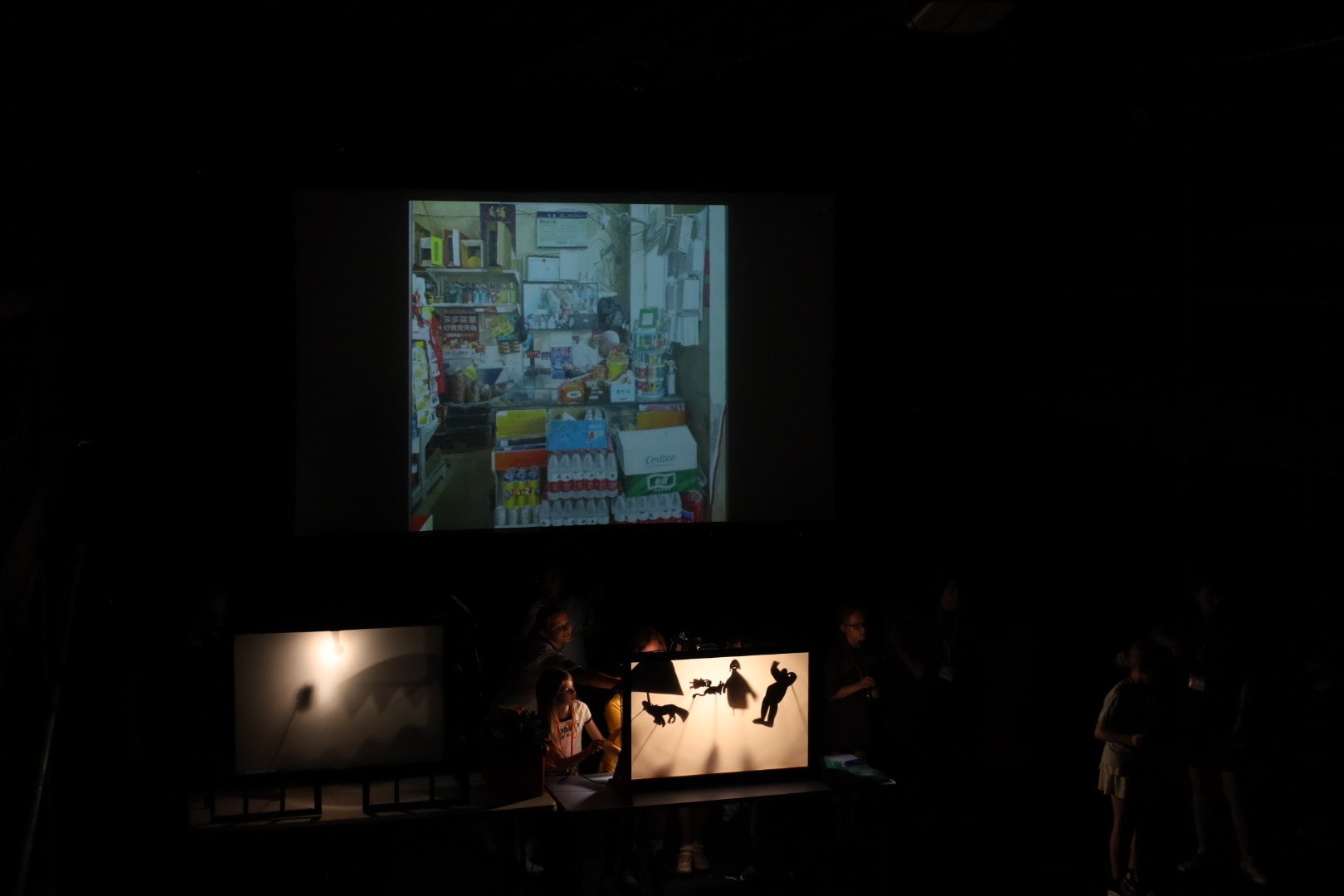
Shadow Pilgrimage · On-Site Documentation of Cross-Cultural Shadow Puppetry Co-Creation
Youth Co-Creation Cross-Cultural Folk Shadow Theatre @ The North Wall Oxford
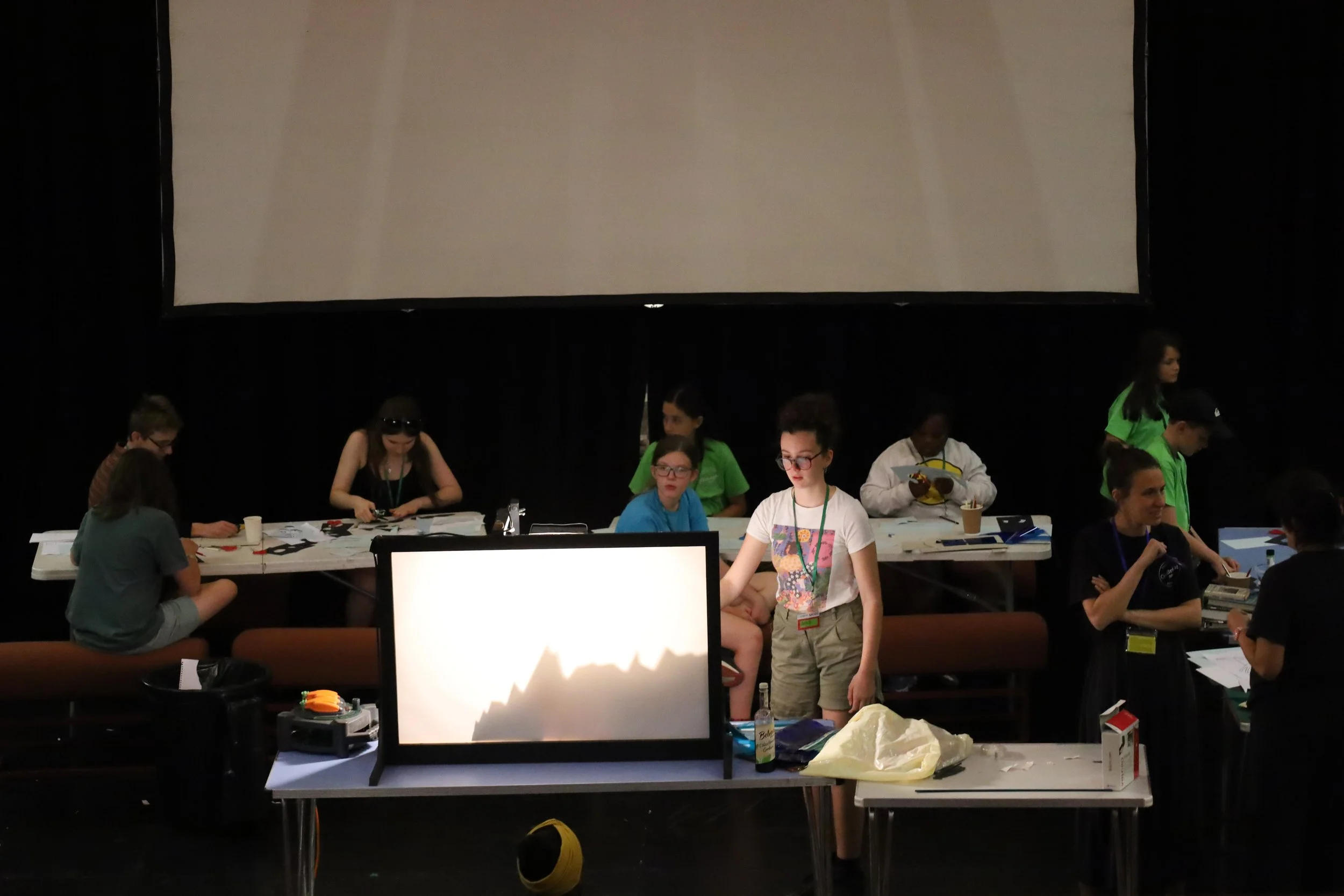
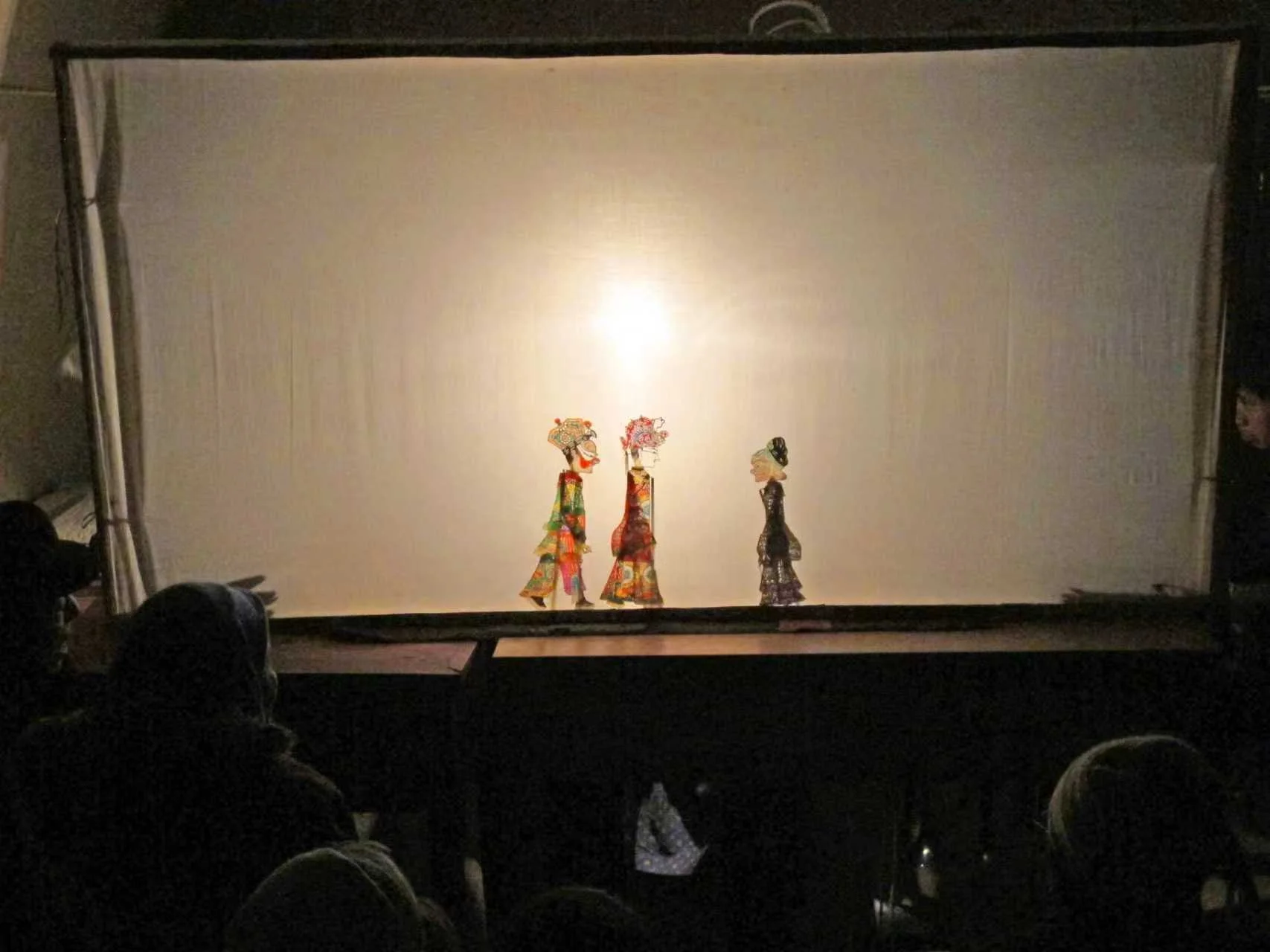
In the morning, the shadow puppetry master demonstrated classic carving & painting skills. Oxford teenagers created original puppet figures based on the exhibition narrative, incorporating their personal daily experiences to build unique roles for the afternoon closing performance.The full cast held a complete midday rehearsal covering puppet manipulation, bilingual lines, lighting and soundtrack. We polished narrative rhythm and integrated all handcrafted puppets into a coherent play ready for the public closing performance.In the afternoon, the co-created shadow play premiered as the official closing performance for local residents, students and international art practitioners. Using shadow as a cross-cultural medium, we delivered an accessible narrative of Eastern folk custom to conclude this overseas intangible heritage project.Audience Reflections: Renewed Perception of Chinese Arts
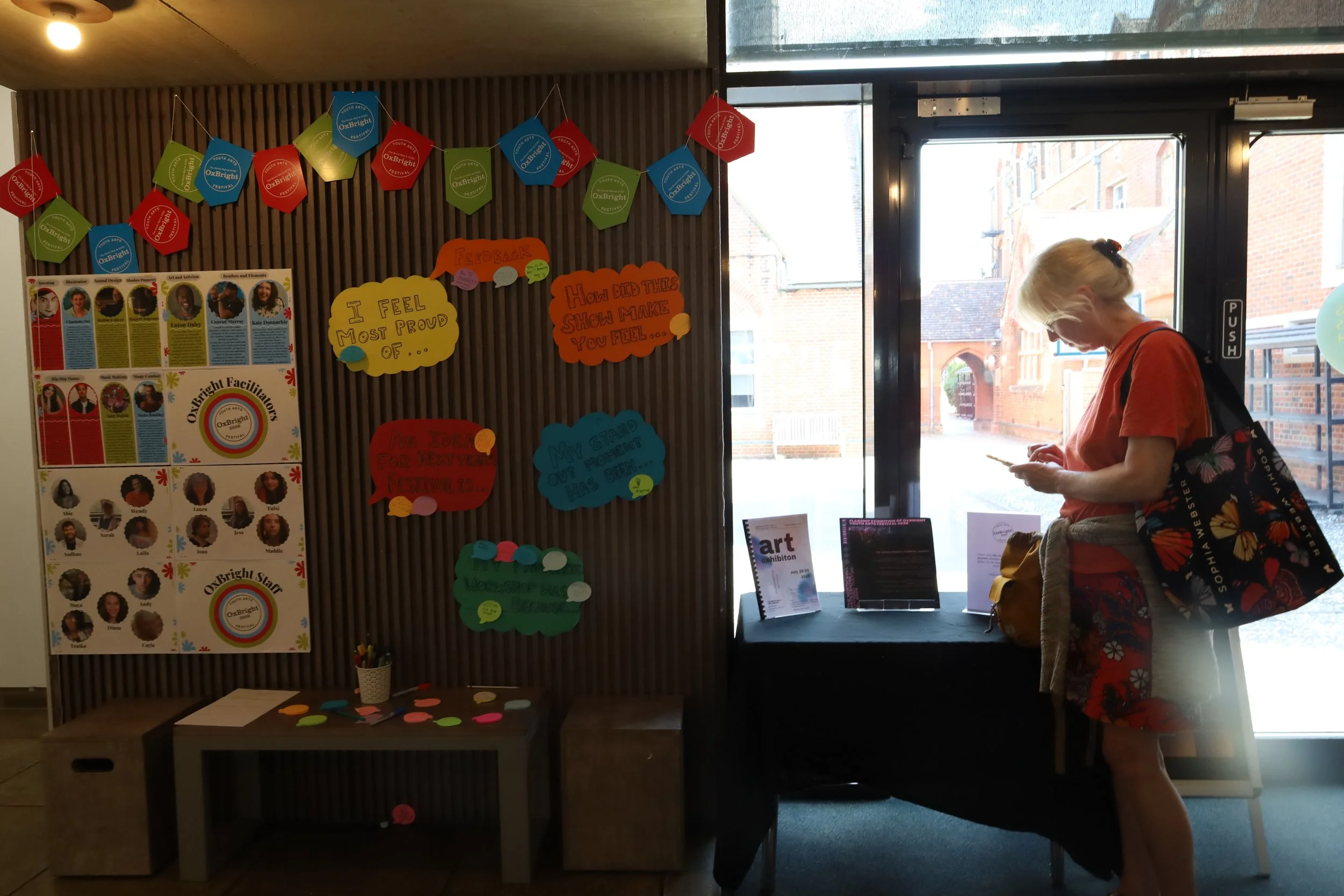
After the closing show, international audiences shared transformative feedback. Many moved past stereotyped impressions of Chinese heritage; hands-on puppet making and immersive theatre helped them grasp the nostalgia and identity reflections within folk rituals, building equal cross-cultural understanding.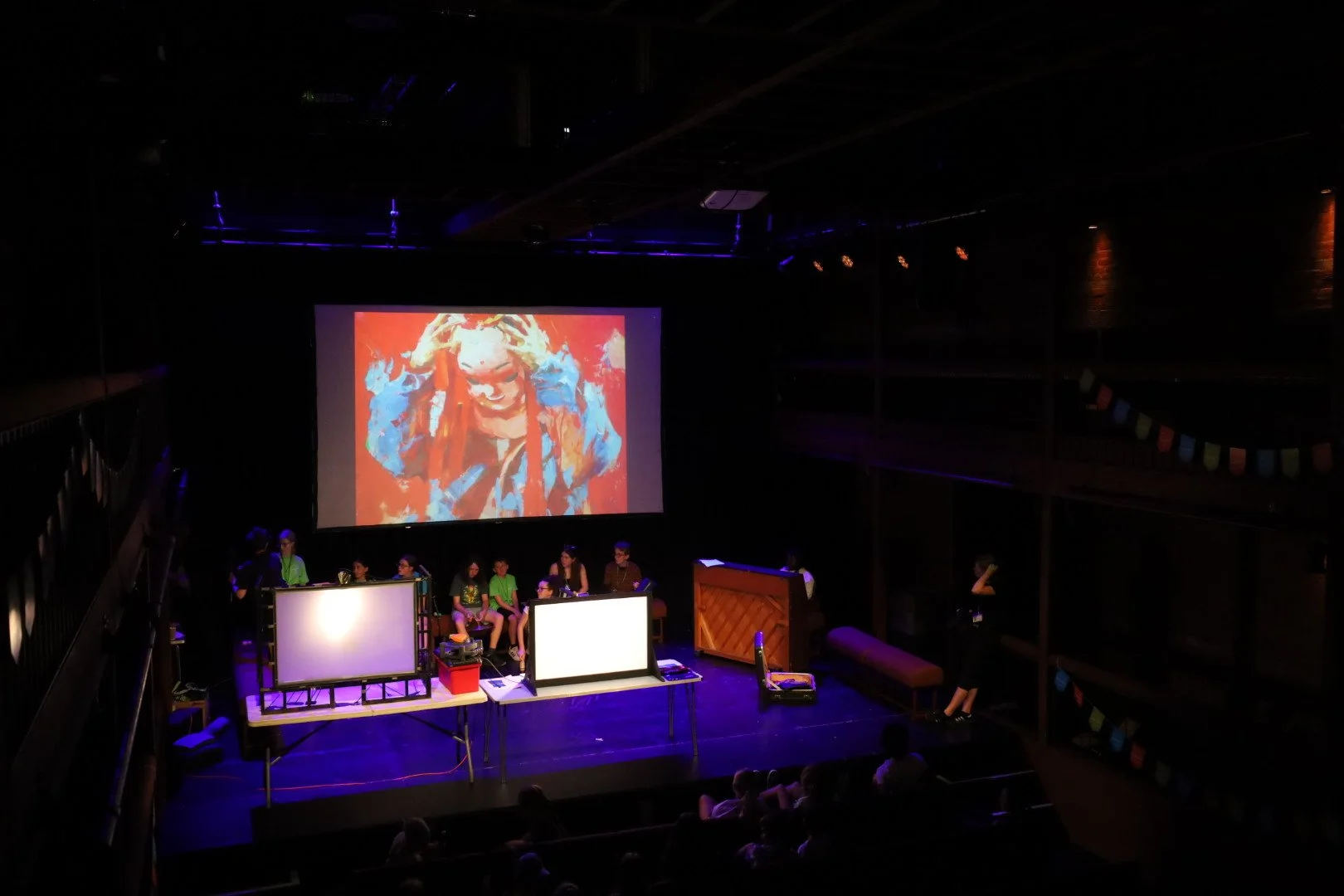
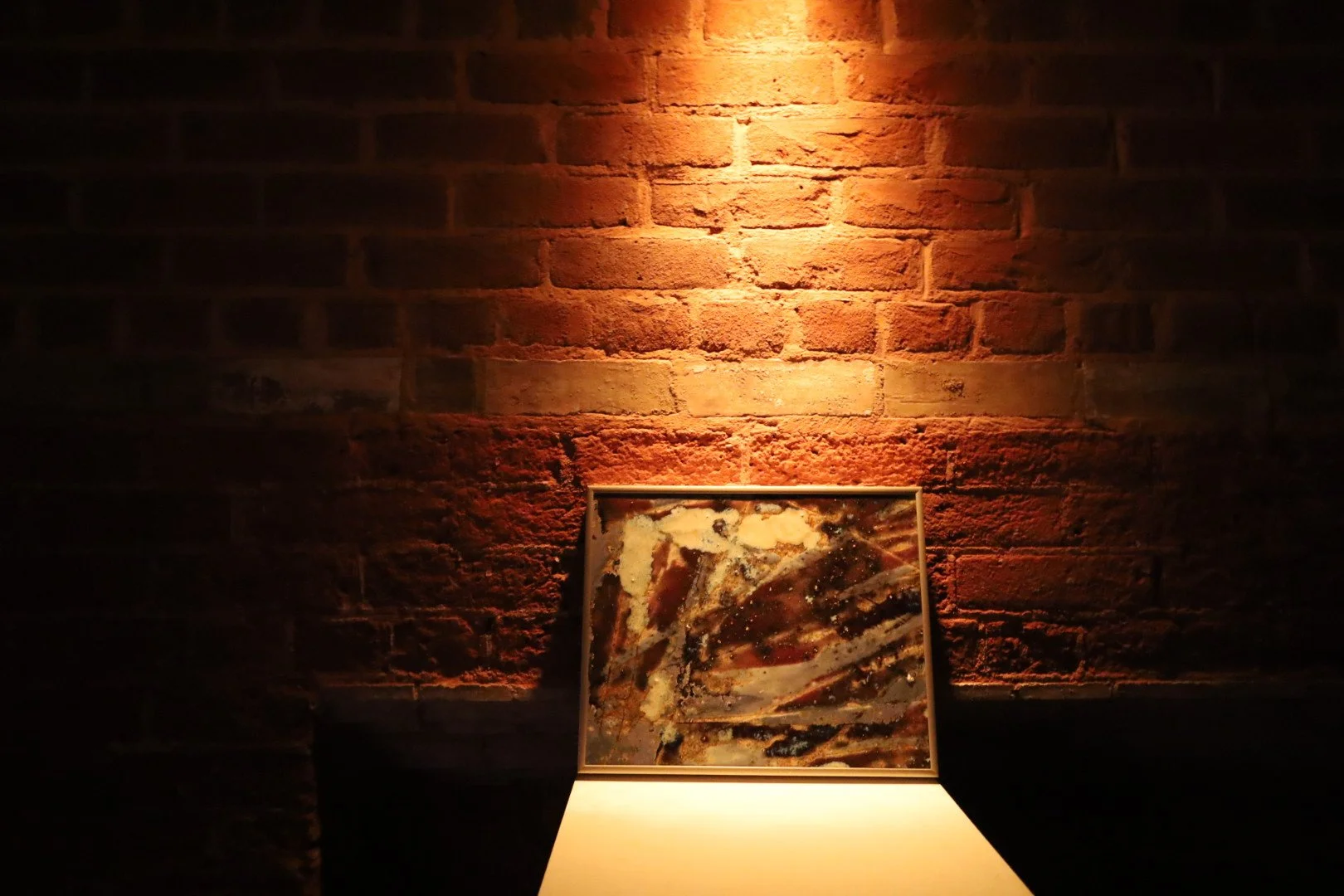
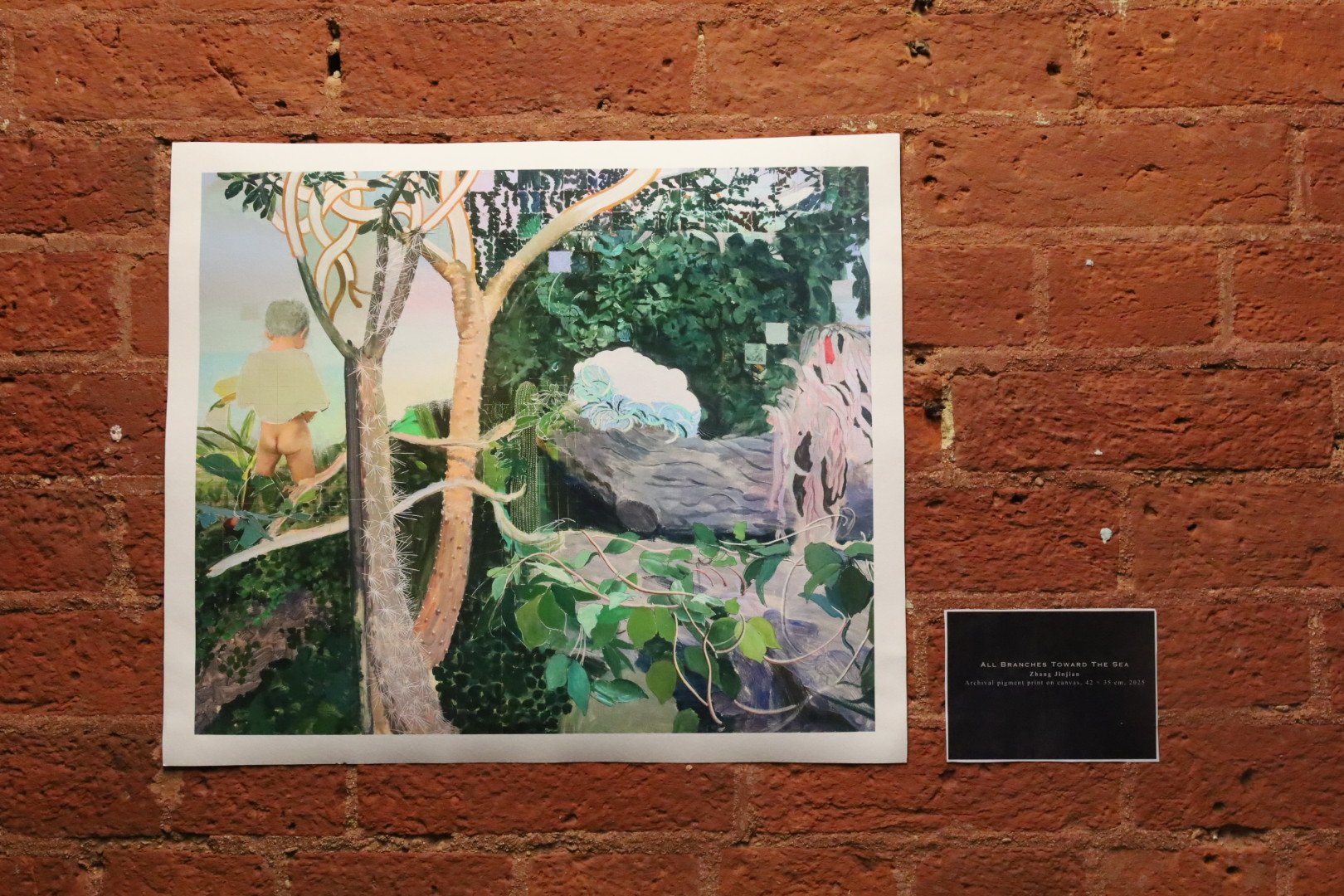
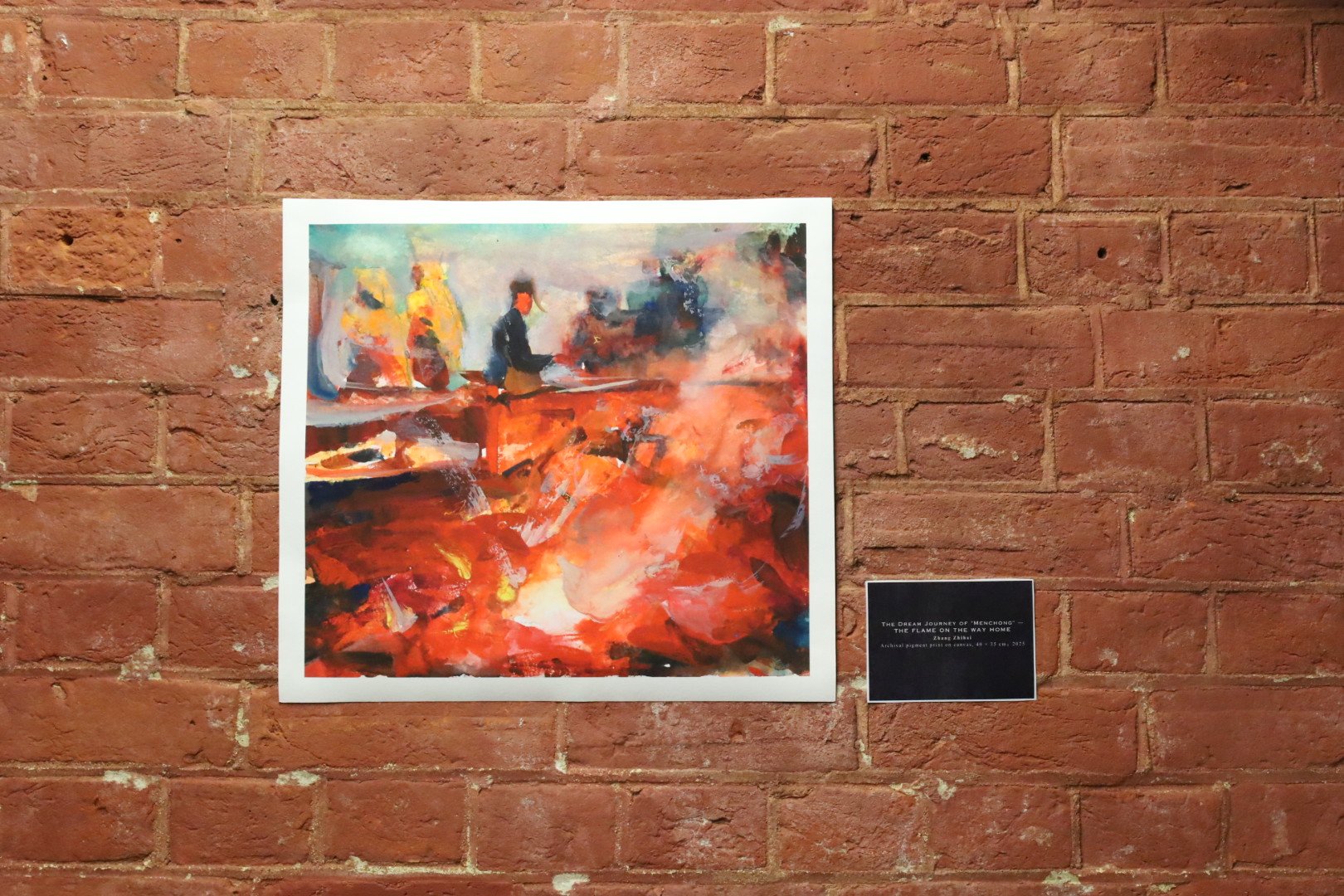
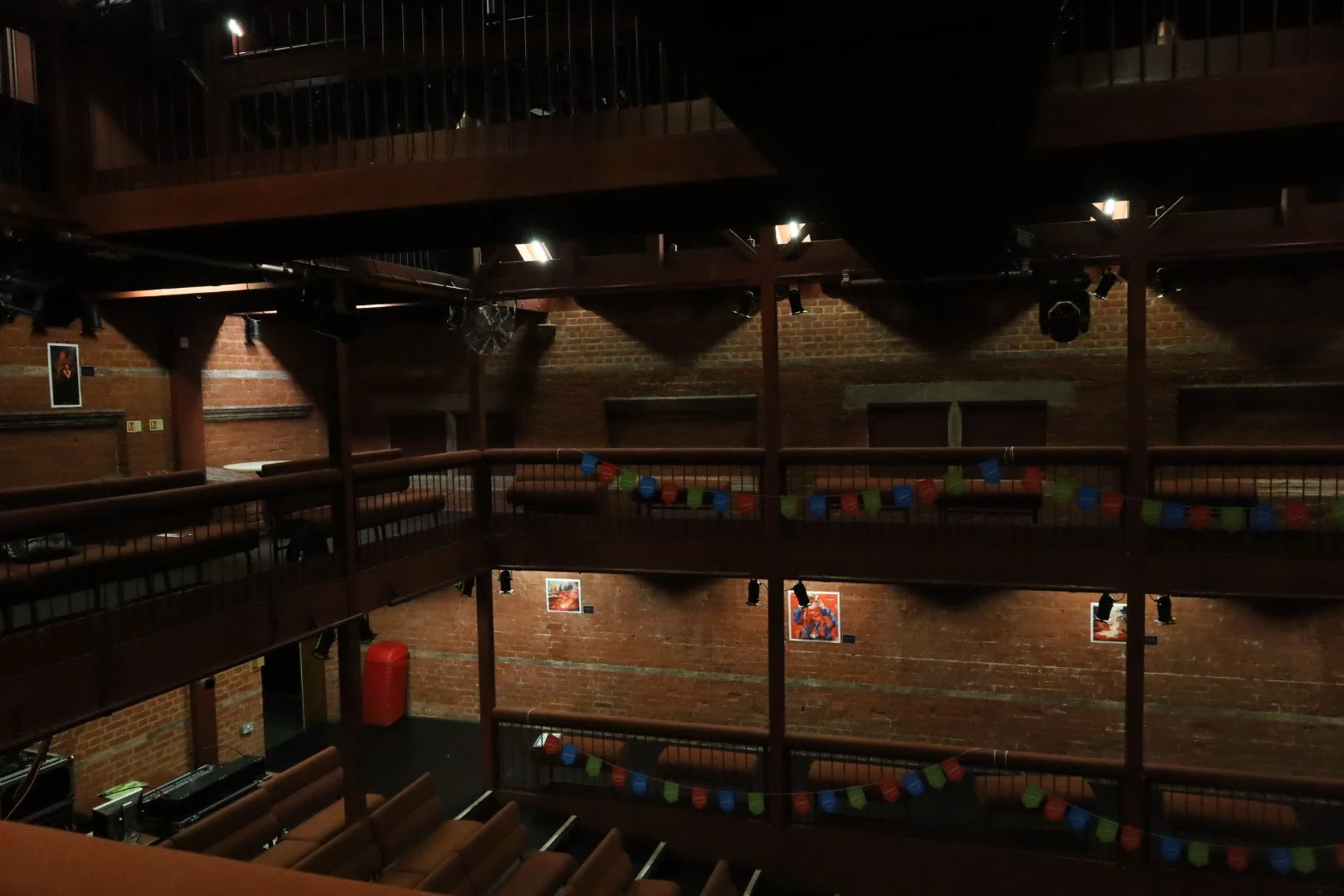
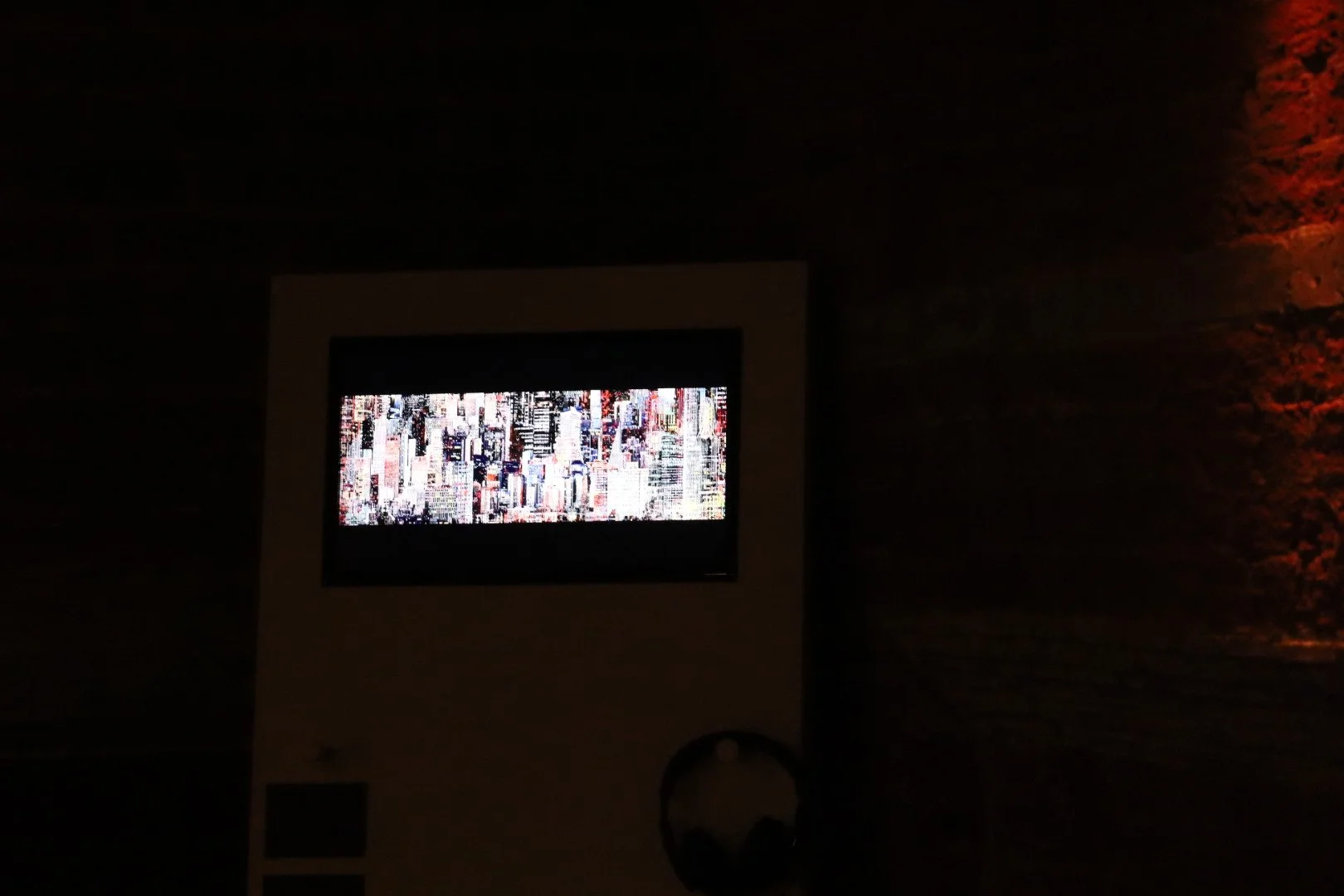
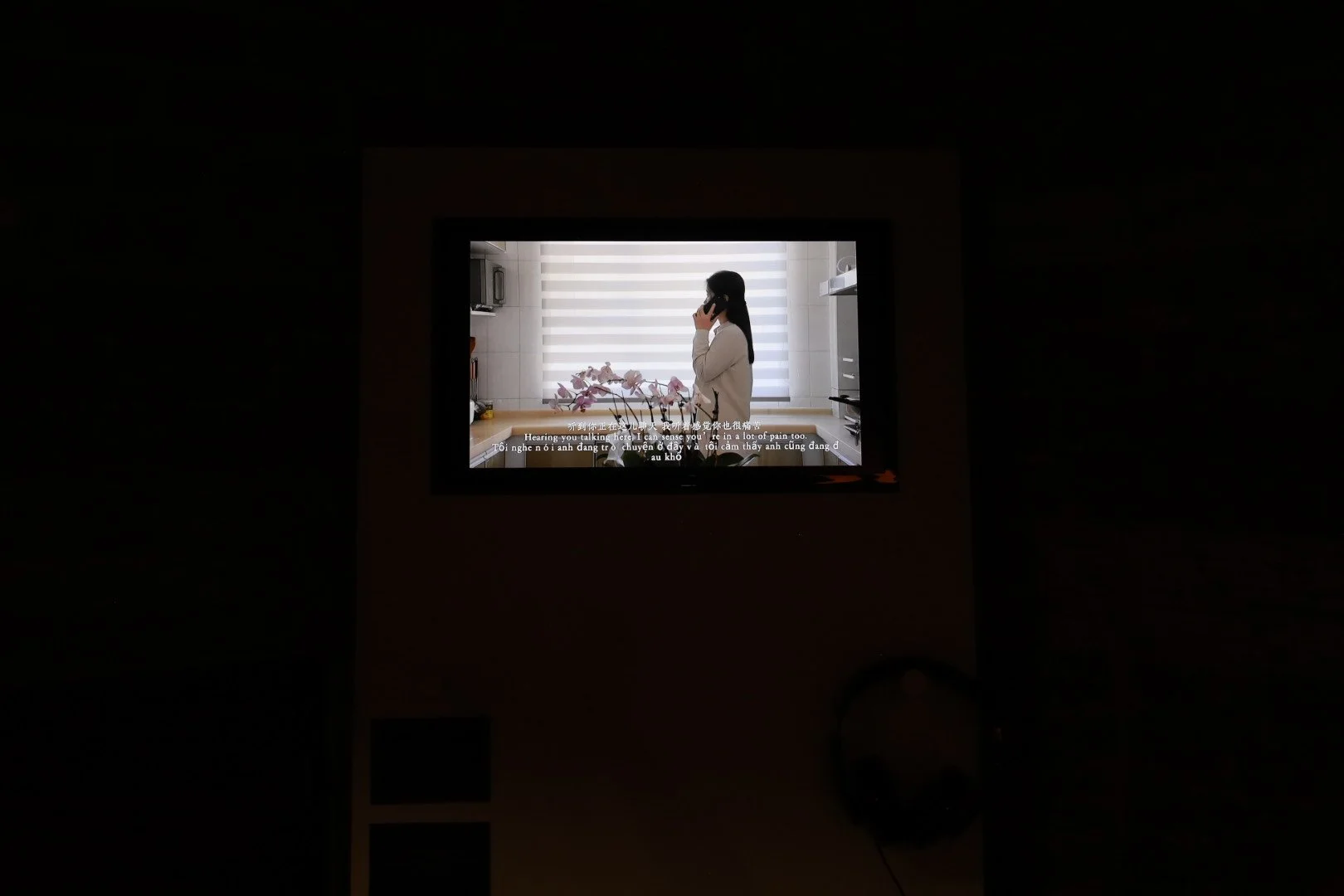
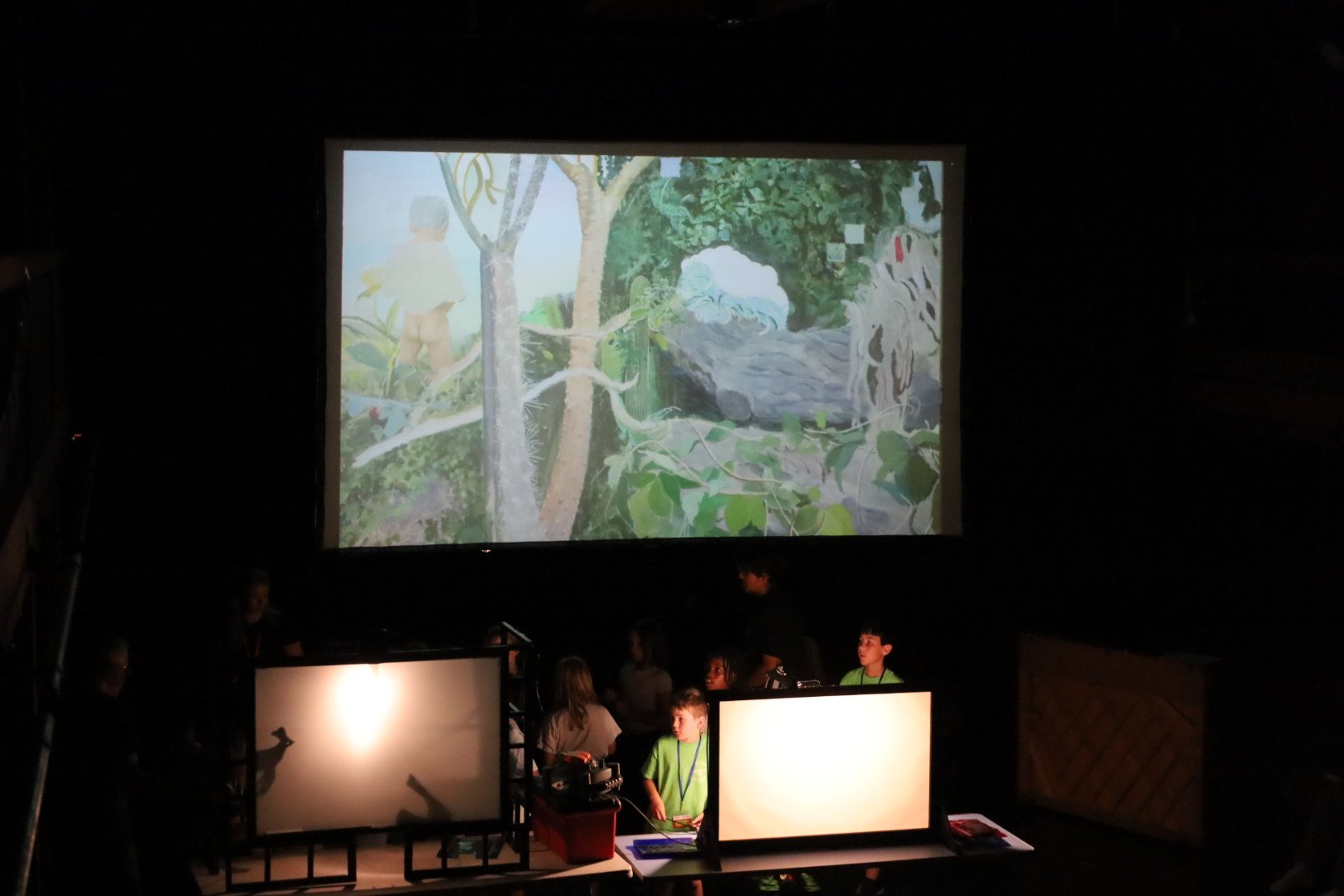
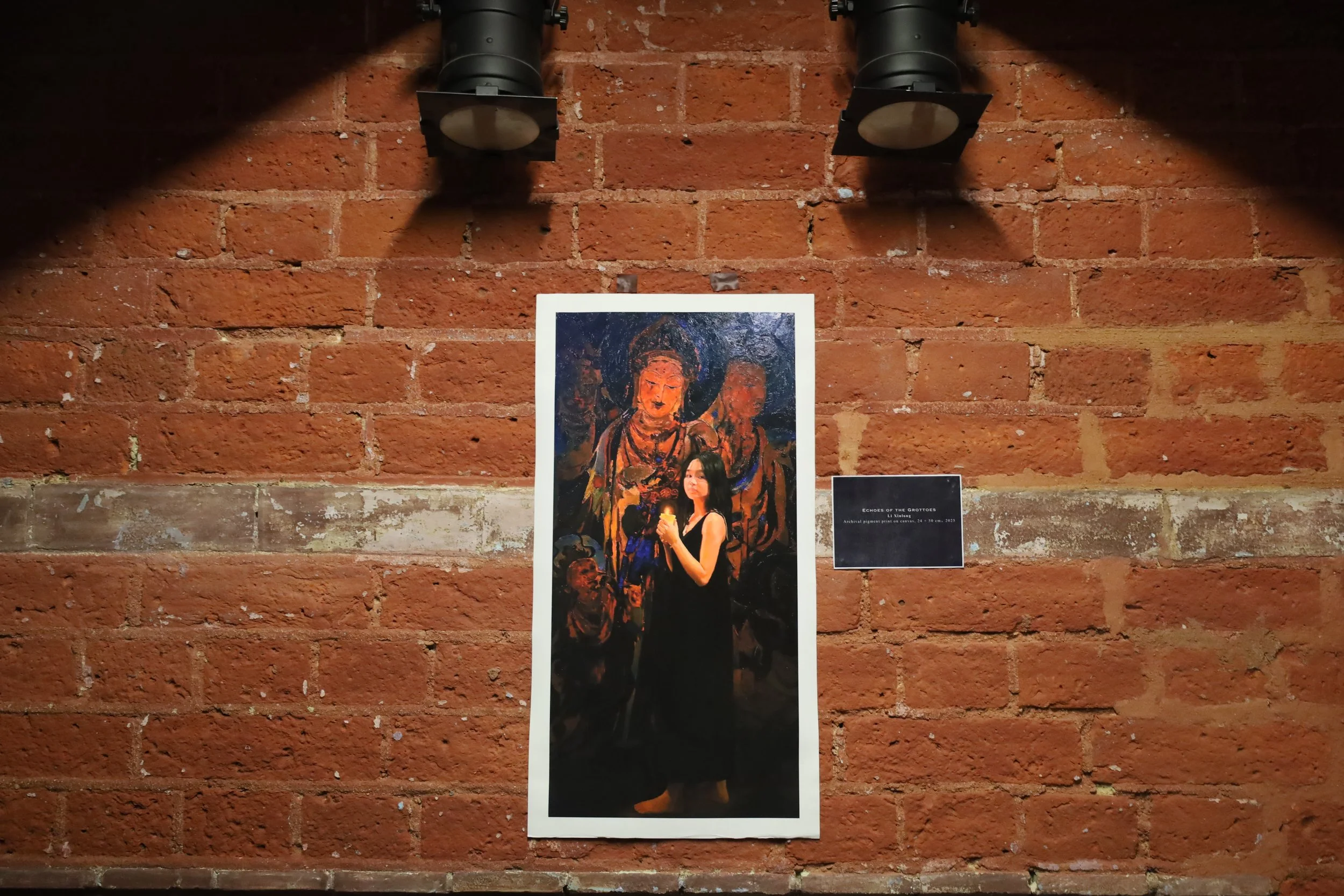
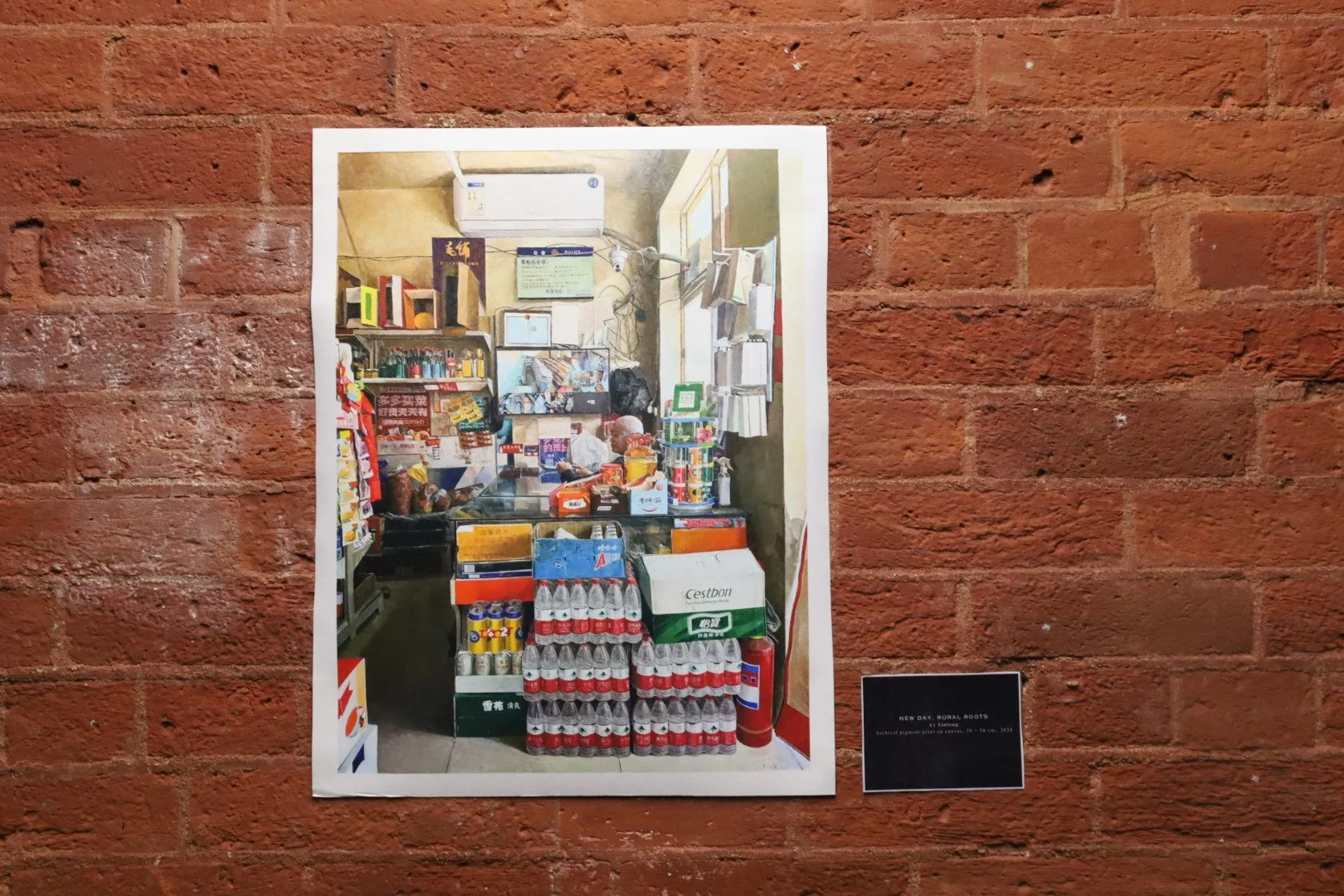
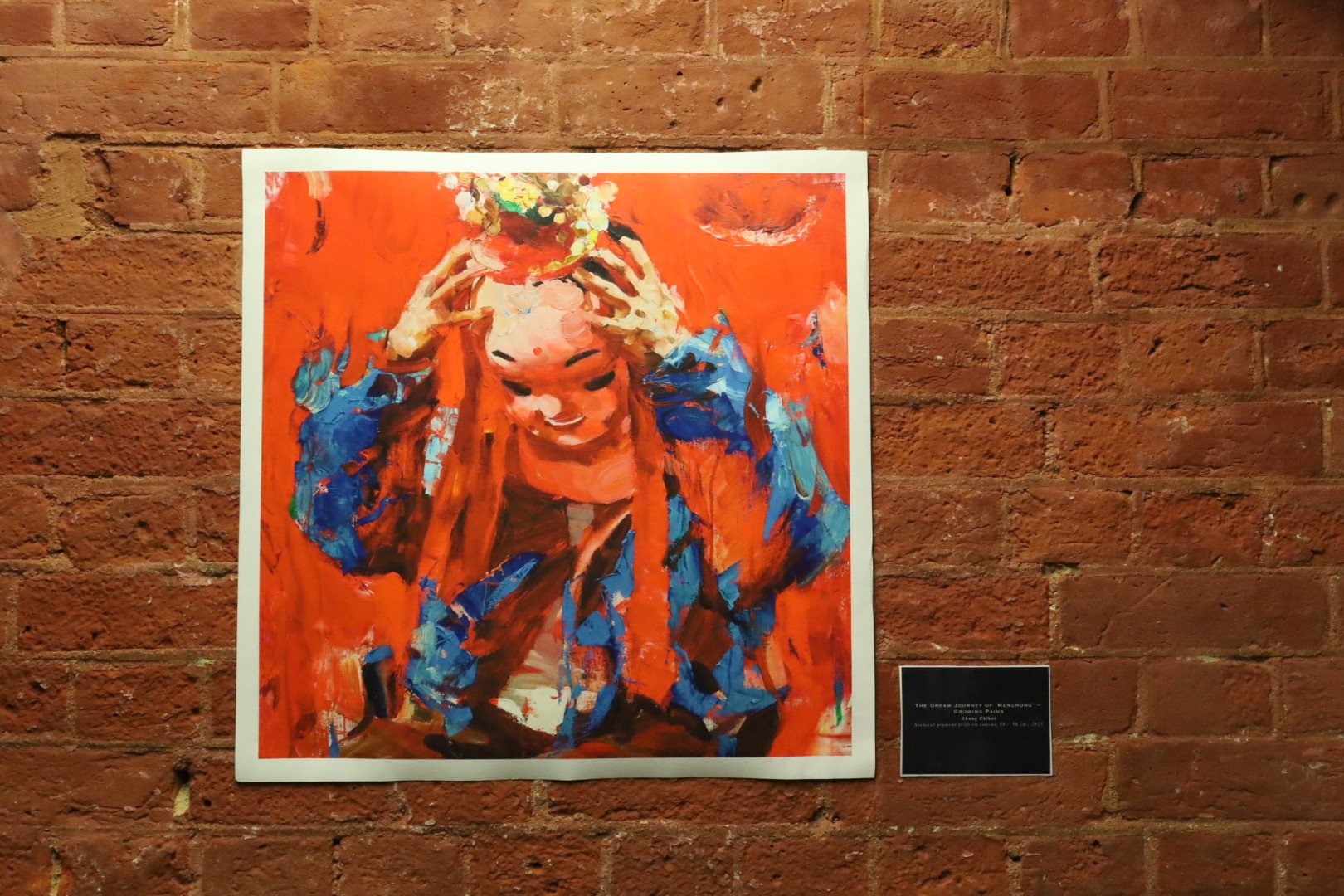
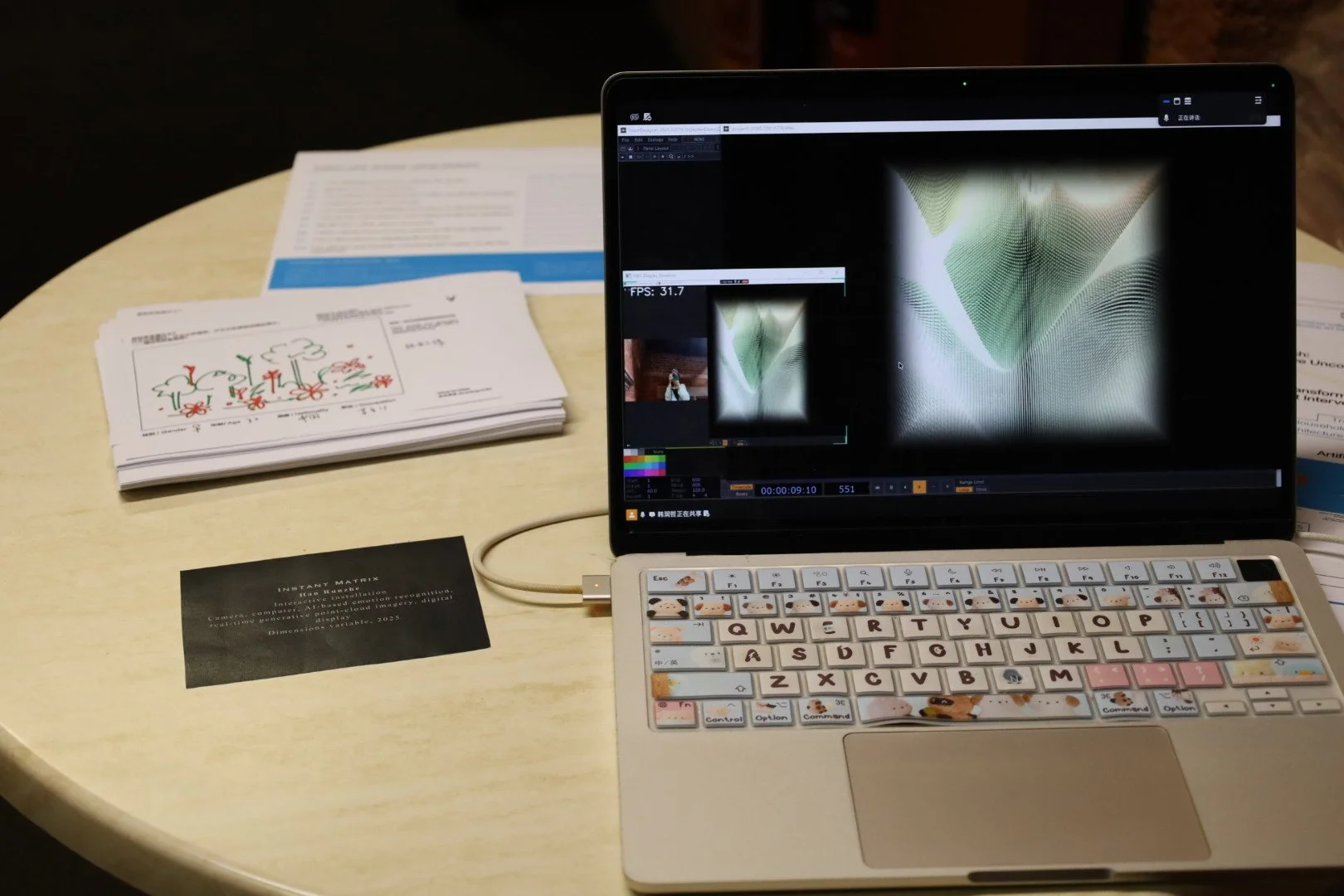
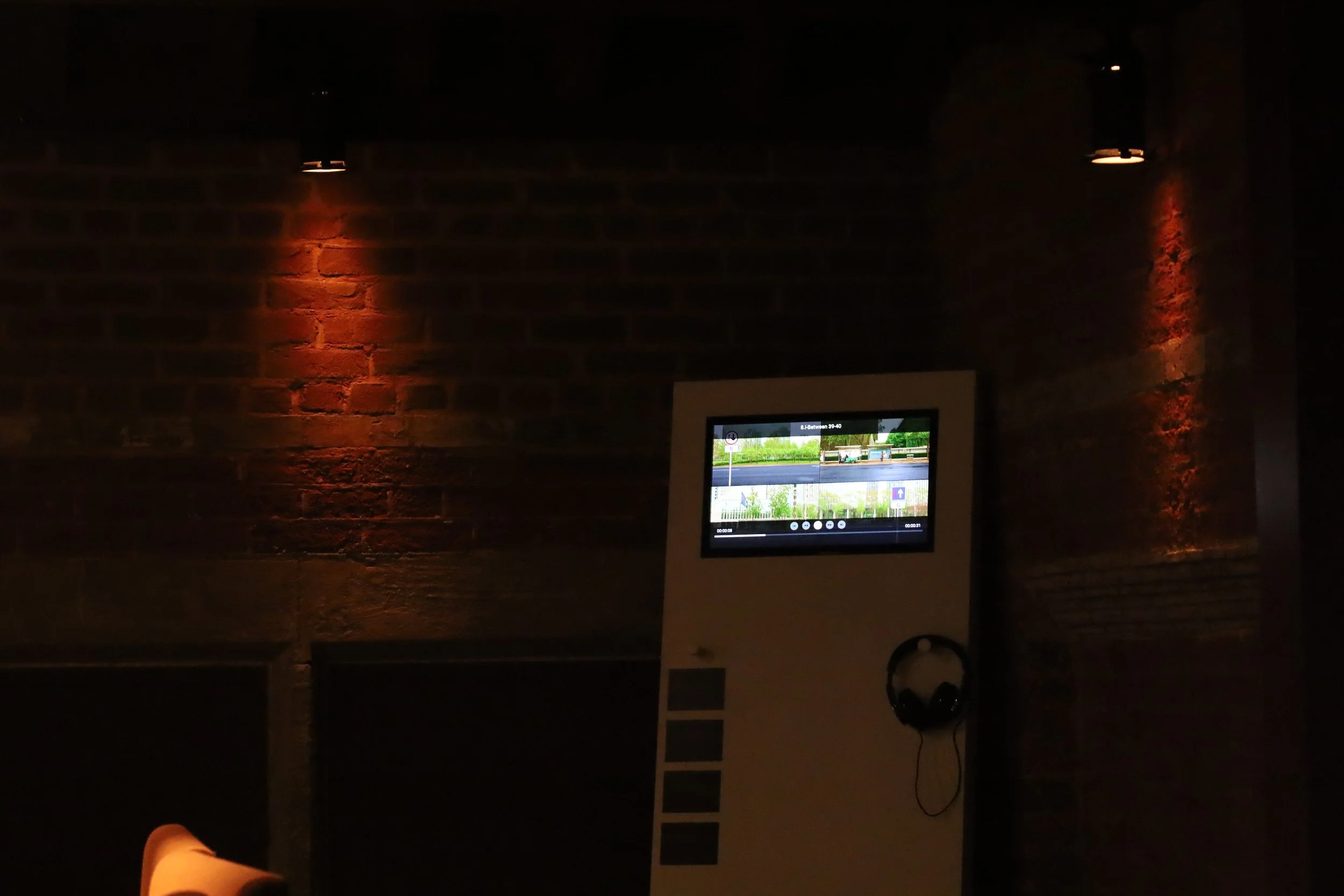
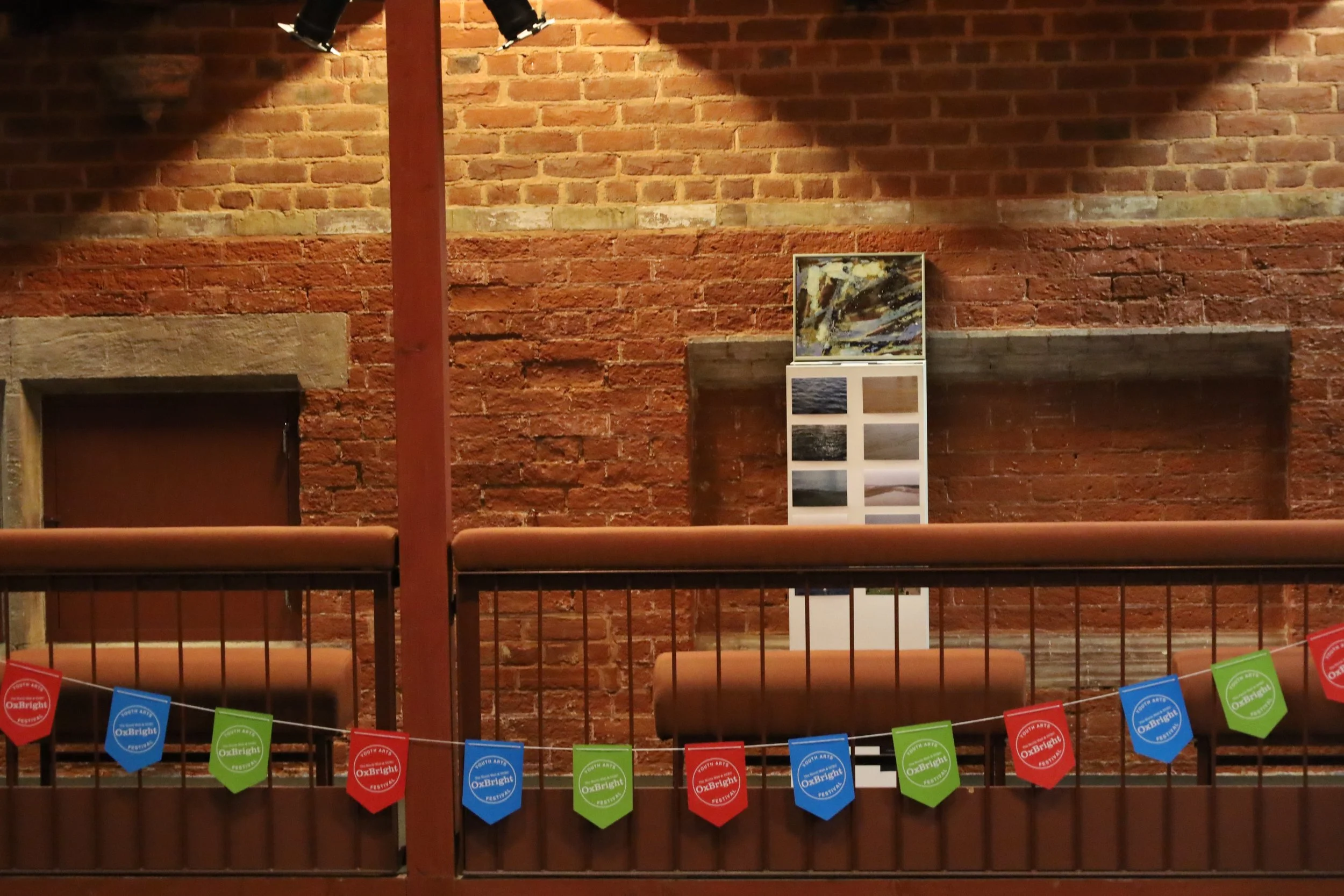
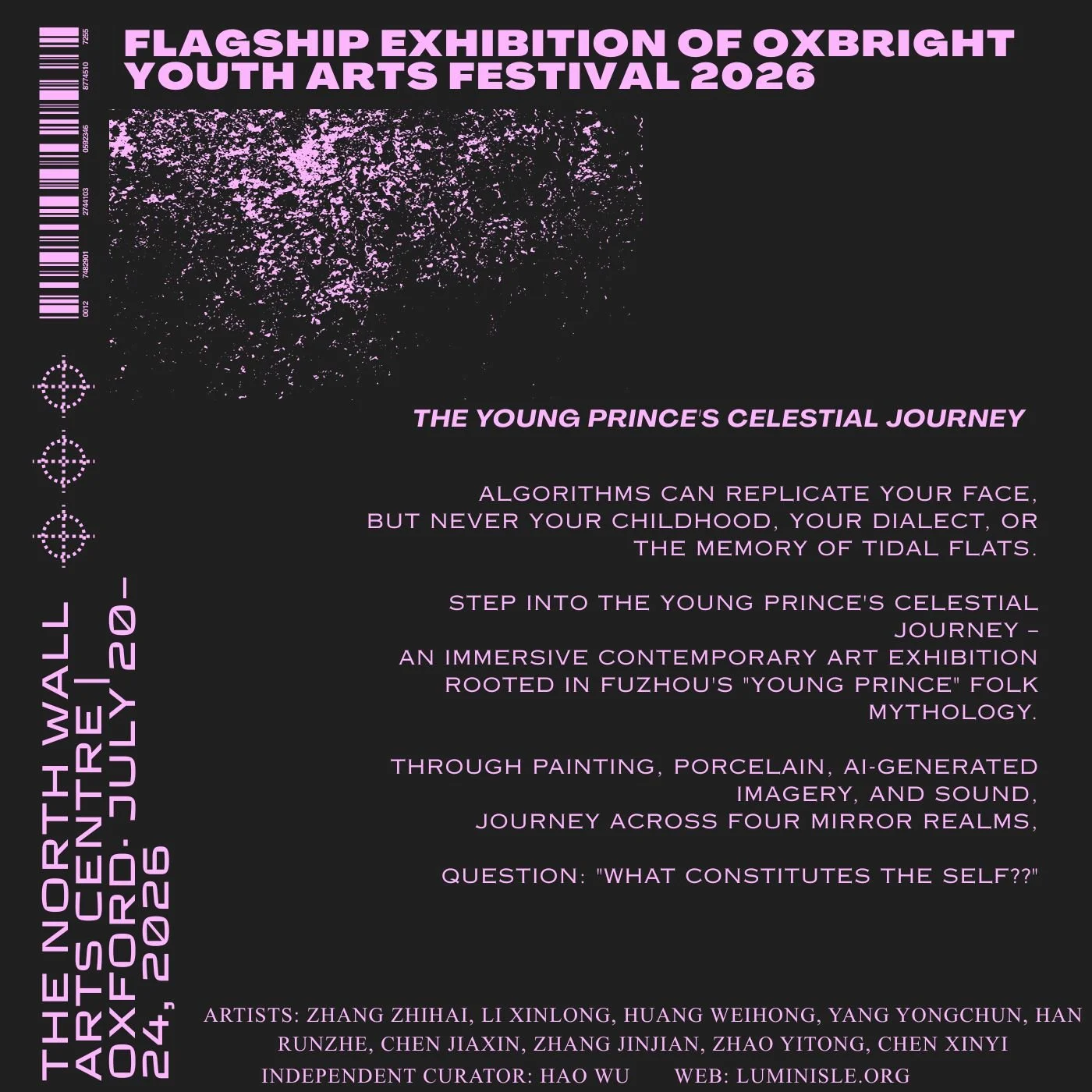
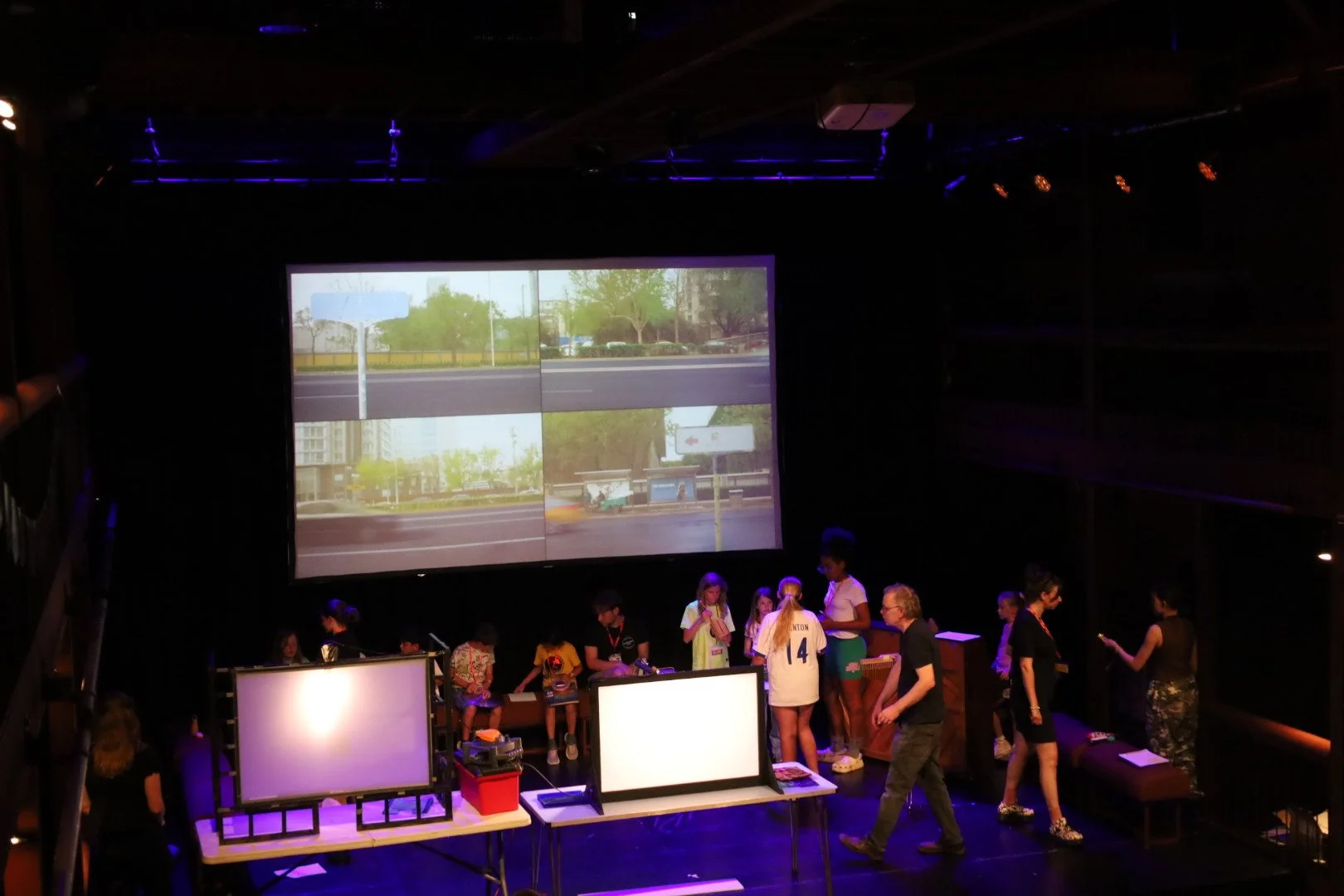
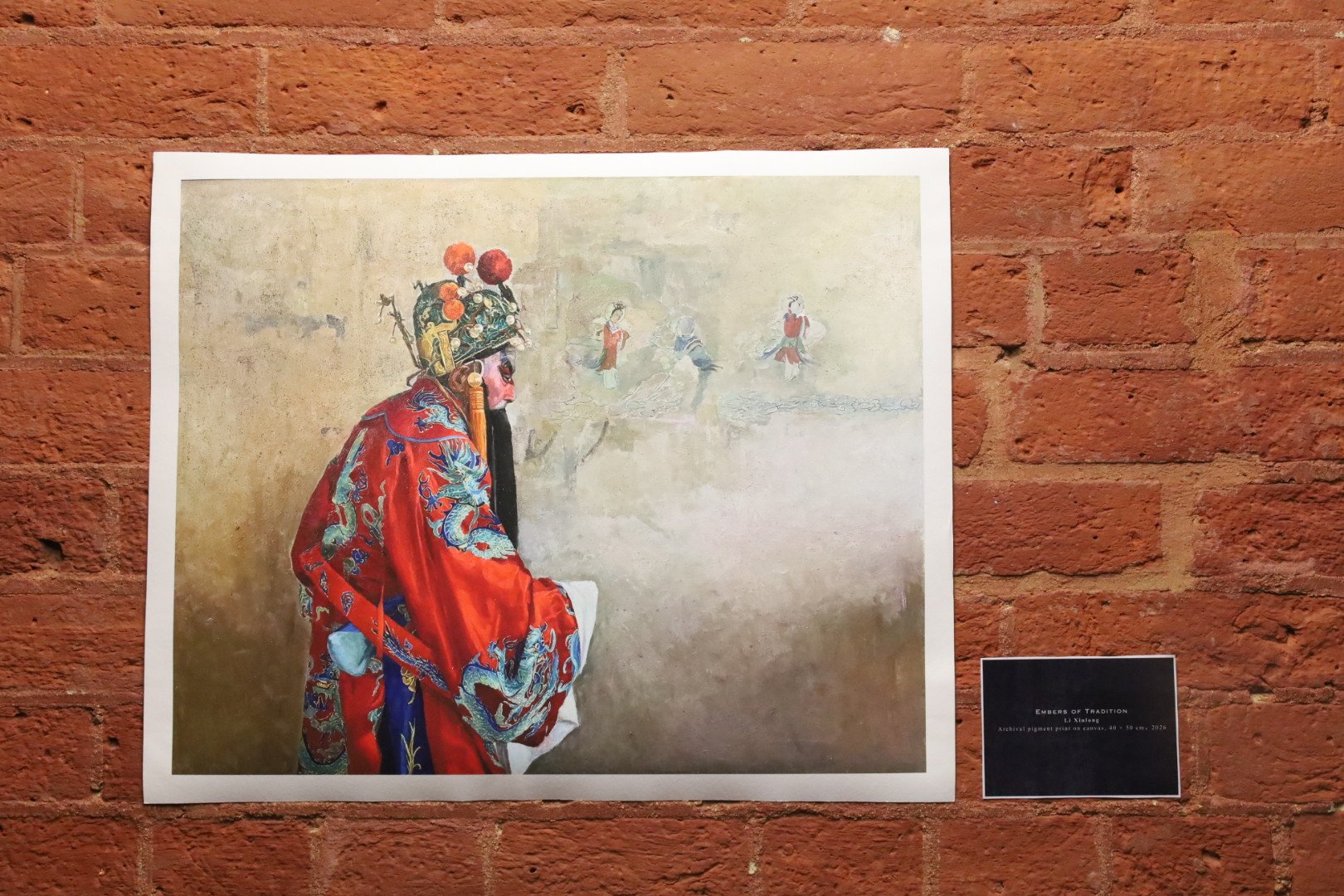
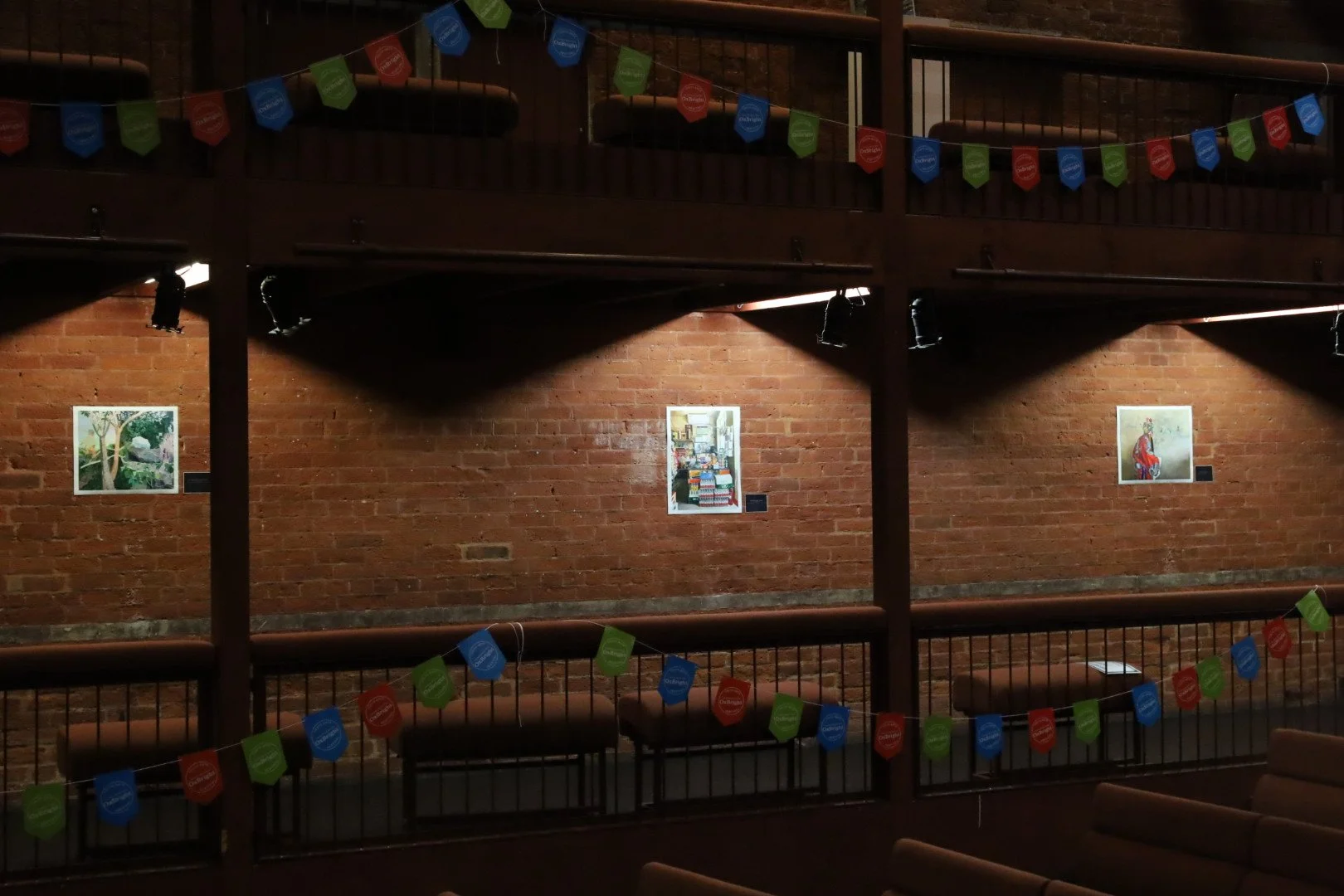
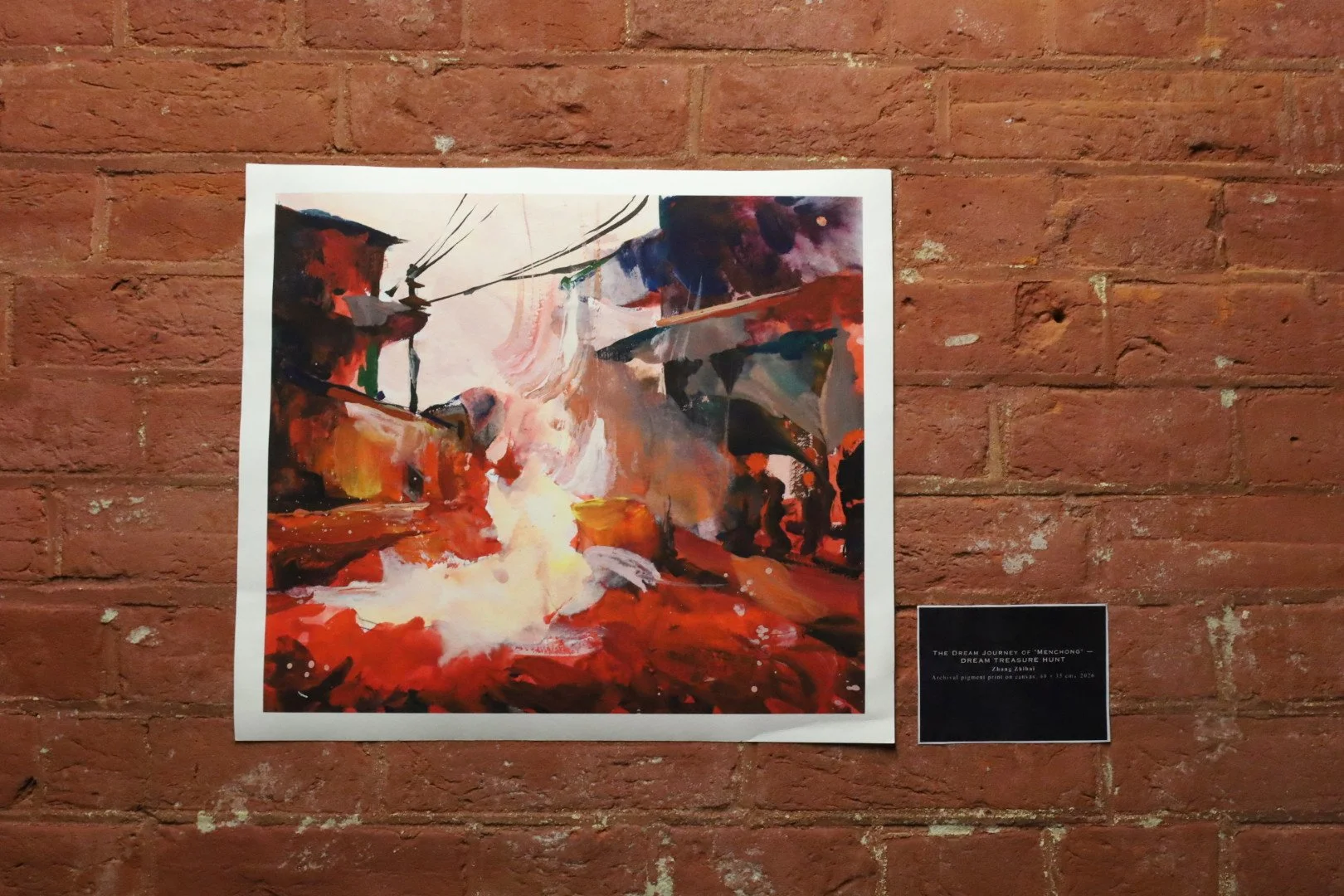
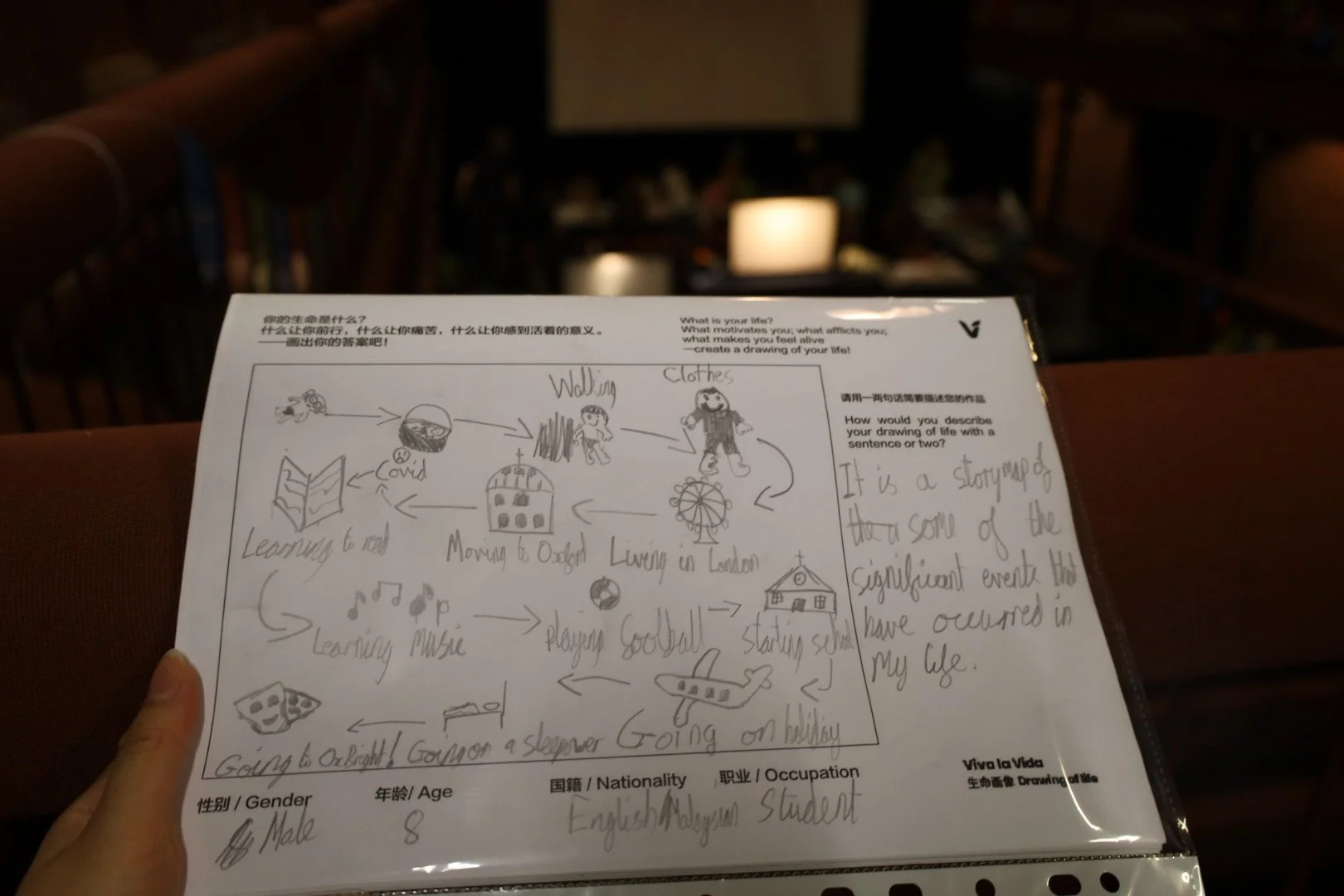
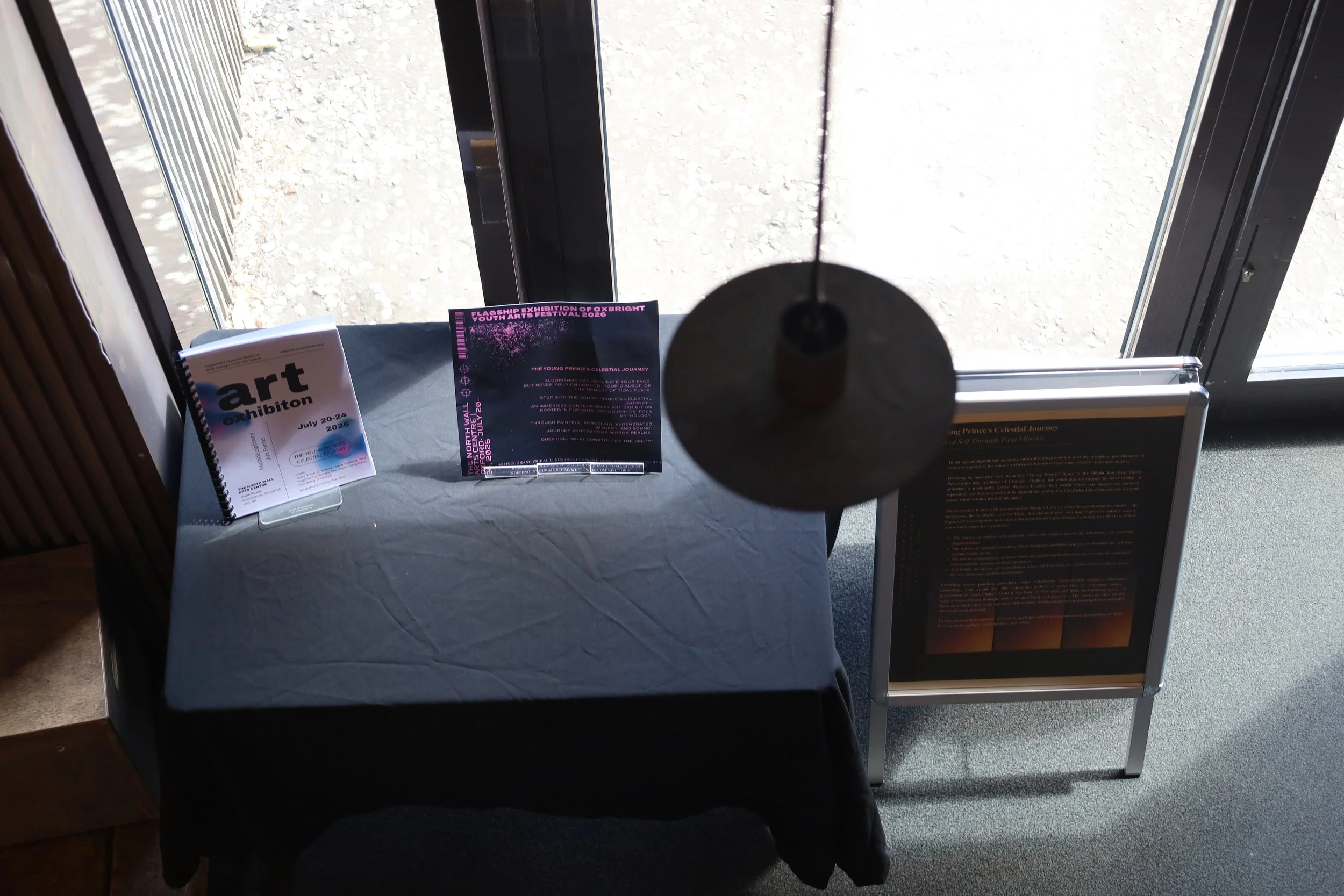
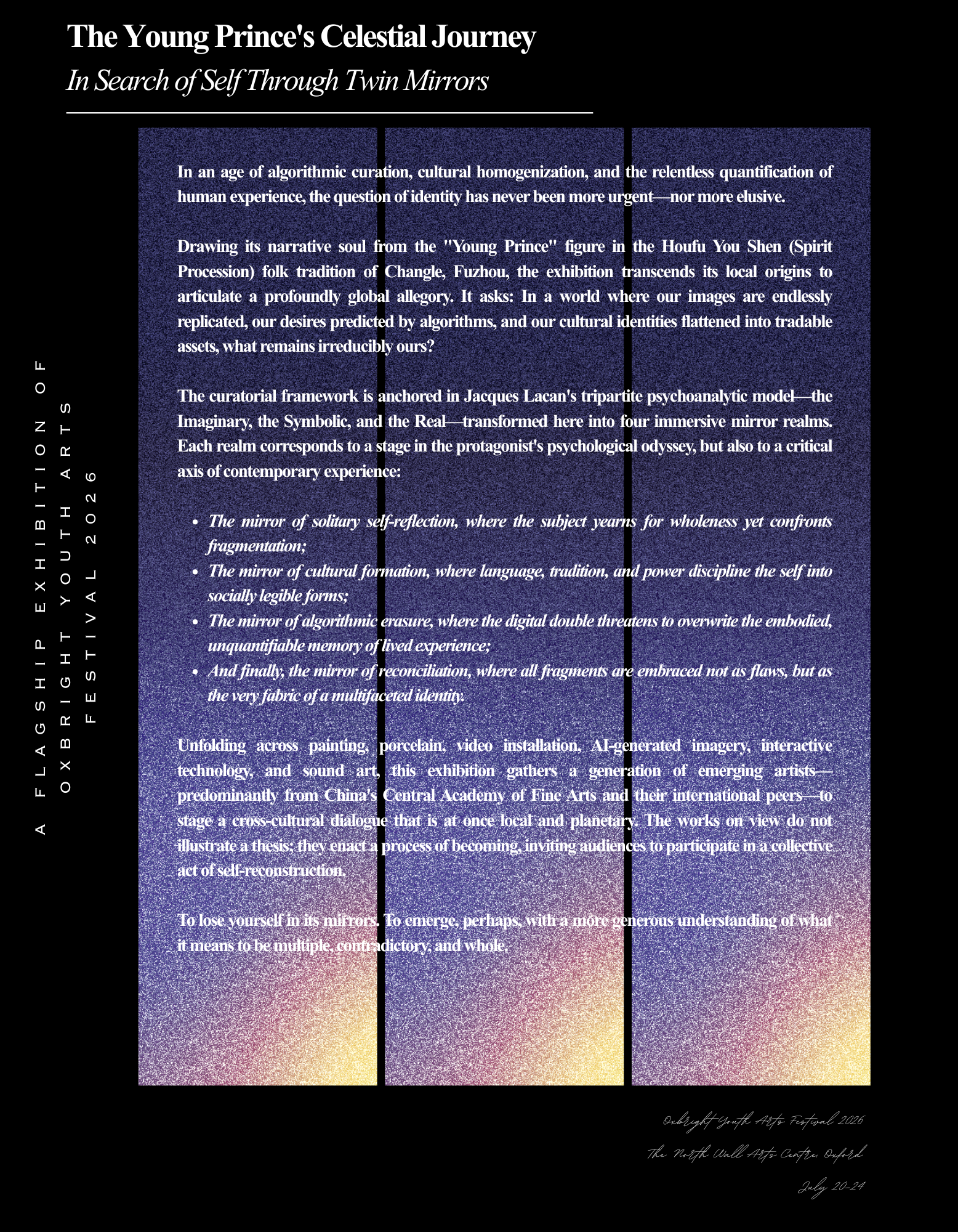
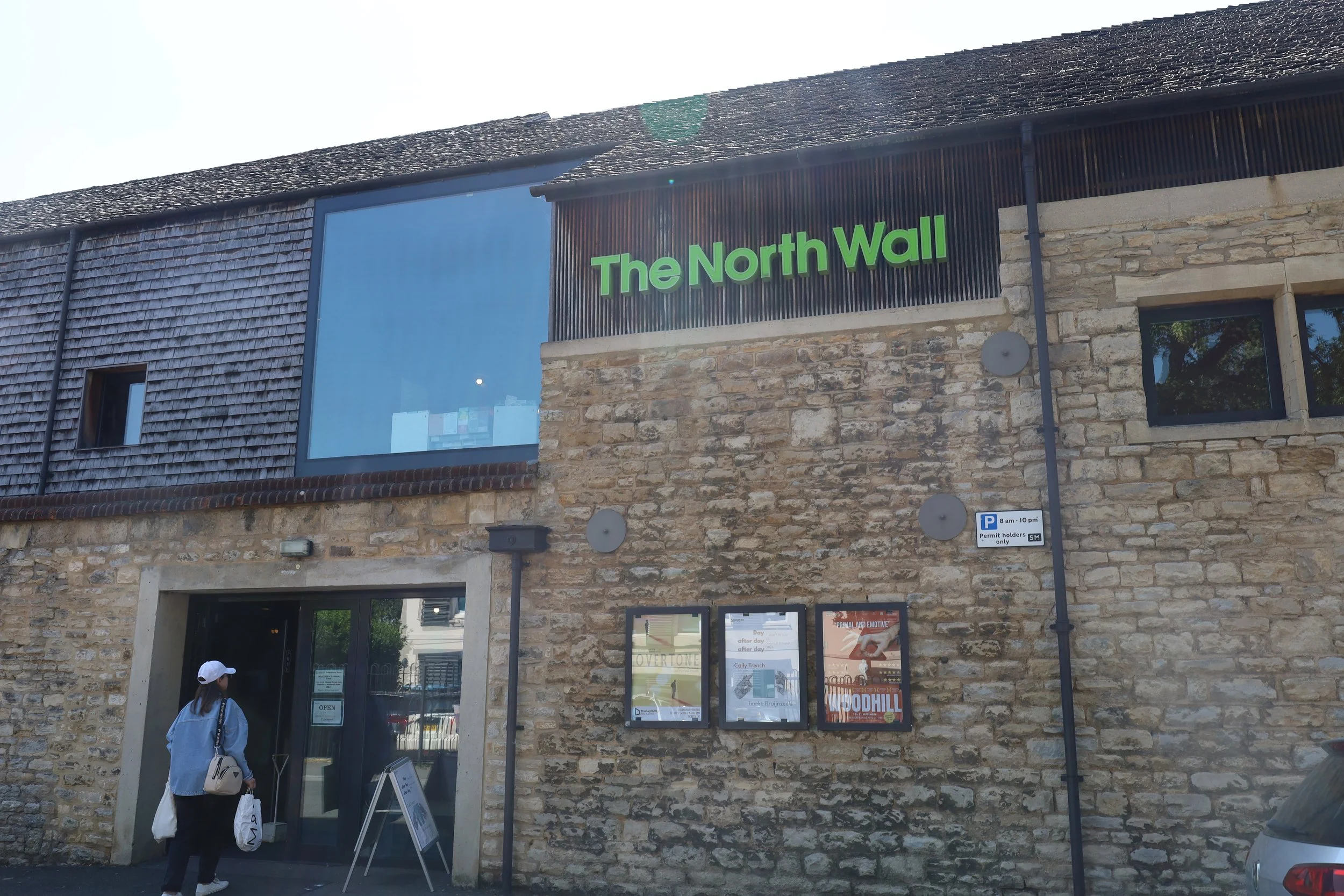
Venue Documentation
Venue Documentation
In addition to the exhibition itself, the curatorial practice extended into daily on-site interventions: a resident director composed a script each morning, which was rehearsed at noon and performed at sunset; a master of shadow puppetry led workshops with local children, whose creations fed directly into the closing performance. This iterative cycle—writing, making, rehearsing, performing—transformed the exhibition from a static display into a living cross-cultural laboratory. Audience feedback consistently cited a ‘renewed understanding of Chinese art and culture,’ confirming that the curatorial strategy of embedded co-creation succeeded where conventional display alone would not.
Field Research Archive of Shadow Puppetry Heritage
This unit is Phase 1 of Shadow Pilgrimage, concluding with Oxford youth shadow co-creation rooted in Fujian God-Procession. Phase 2 will take Huan Dao Daoqing shadow puppetry as new field research core, cooperating with northwest intangible heritage masters for a new round of cross-city shadow art education.
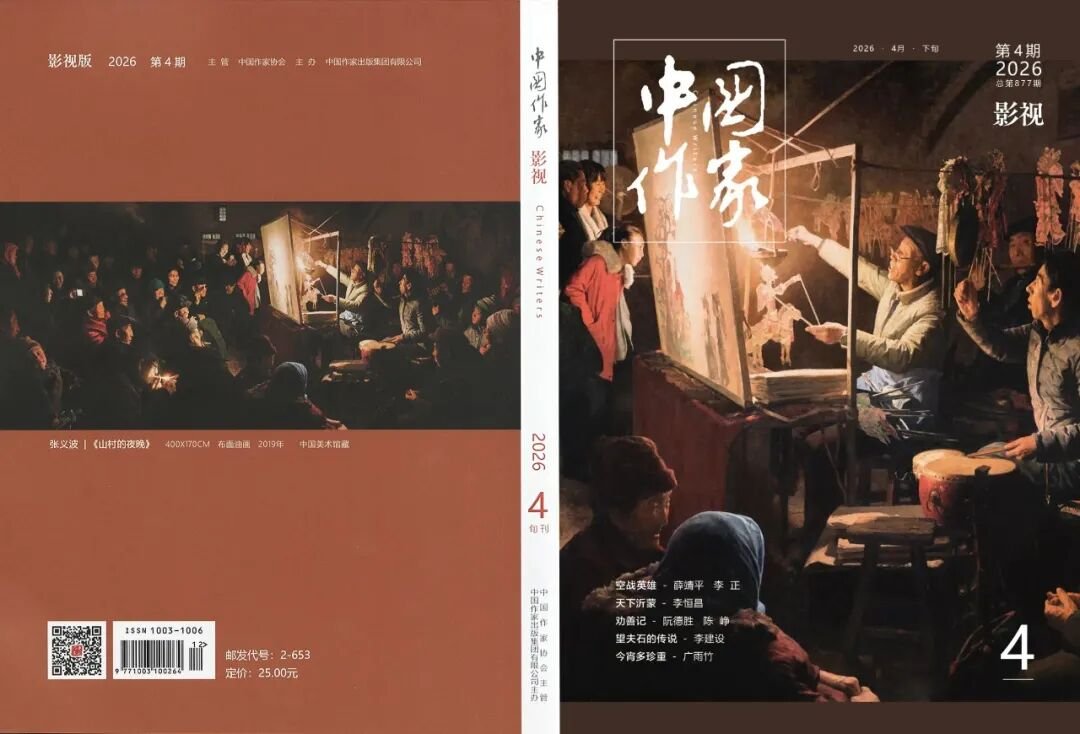
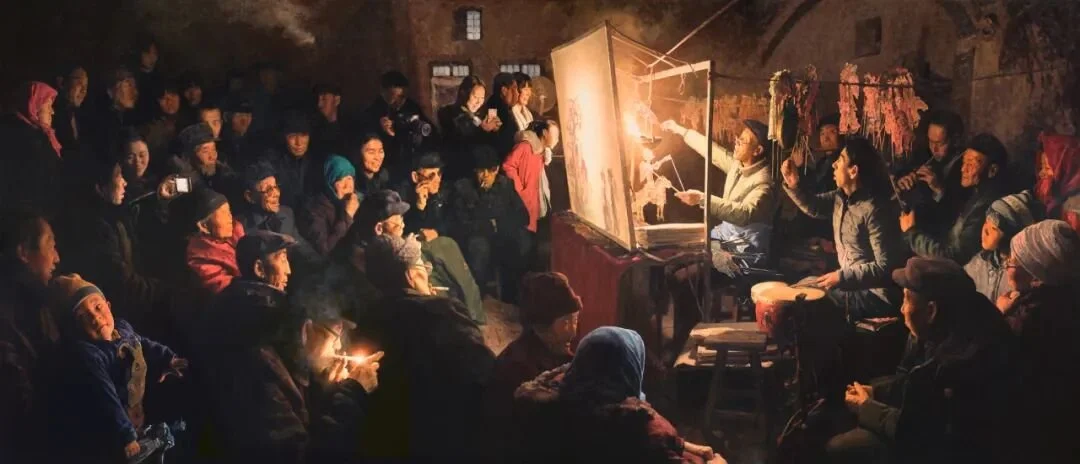
Night in Mountain Village takes Huan Dao Daoqing shadow puppetry, a national intangible cultural heritage of Gansu Province, as its creative carrier. Intertwined light and shadow compose a heartfelt retrospective bridging tradition and modernity, while its group portraits embody the spiritual essence of rural China. The work’s conceptual framework, painterly techniques and figure arrangements all represent a personalized, localized reinterpretation of both Chinese and Western canonical paintings. It enters a cross-temporal artistic dialogue with numerous masterpieces at home and abroad, further testifying to the enduring vitality of realist oil painting.
Best
Seller
Zhang Yibo, Night in Mountain Village Oil on canvas, 400 × 170 cm 2019
Huan Dao Daoqing Shadow Puppetry – National Intangible Cultural Heritage
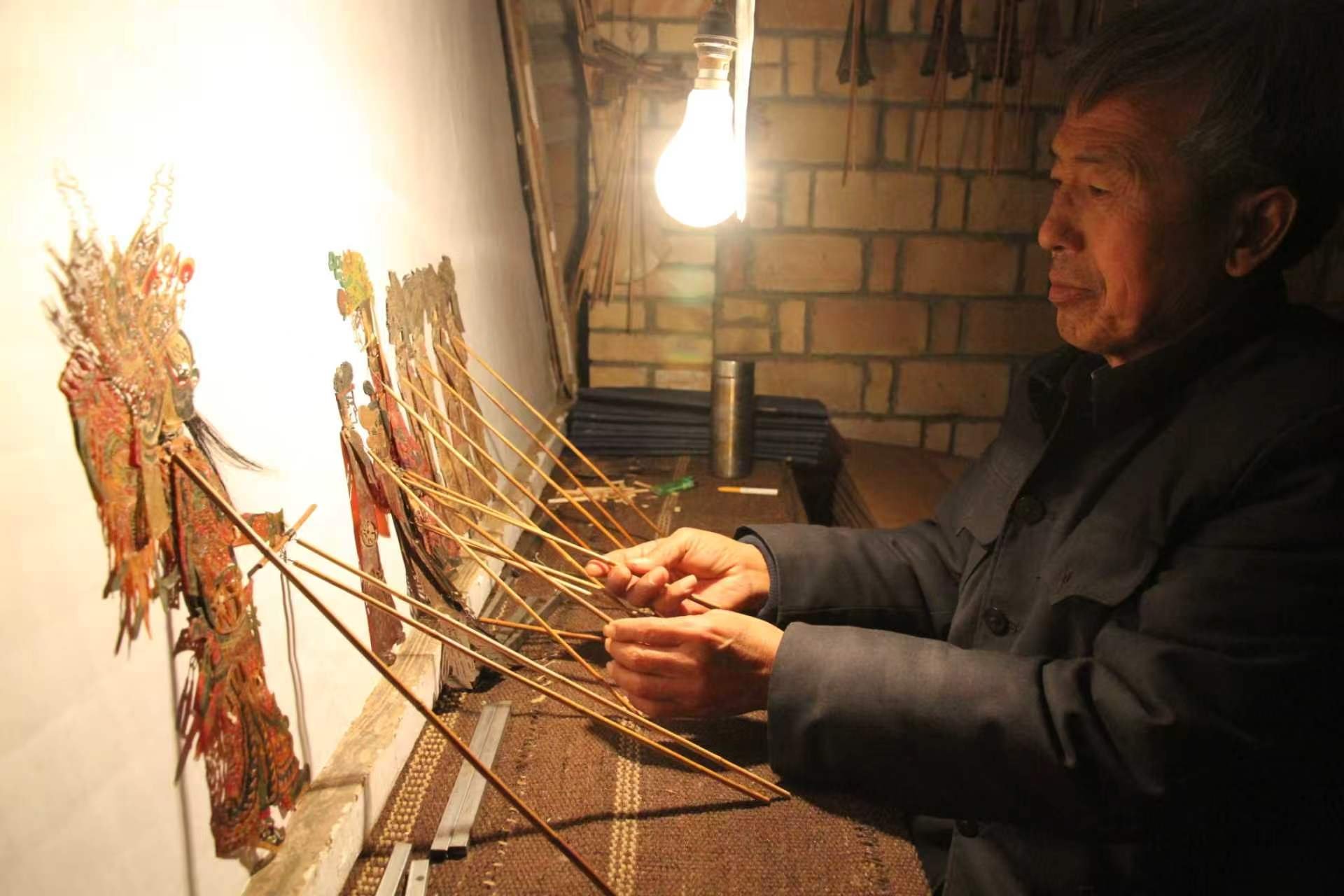
Inscribed on the first batch of China’s National Intangible Cultural Heritage List in 2006, Huan Dao Daoqing shadow puppetry originates from Huan County, Qingyang City on the Loess Plateau, a cultural junction of Shaanxi, Gansu and Ningxia provinces. It is an integrated folk art combining Taoist Daoqing vocal storytelling and ox-hide shadow performance, with a thousand-year-long artistic origin. The art took shape and flourished in the Ming and Qing dynasties, and artist Xie Changchun standardized its full artistic system in the late Qing Dynasty. It is also the original source of Long Opera, Gansu’s local opera genre.
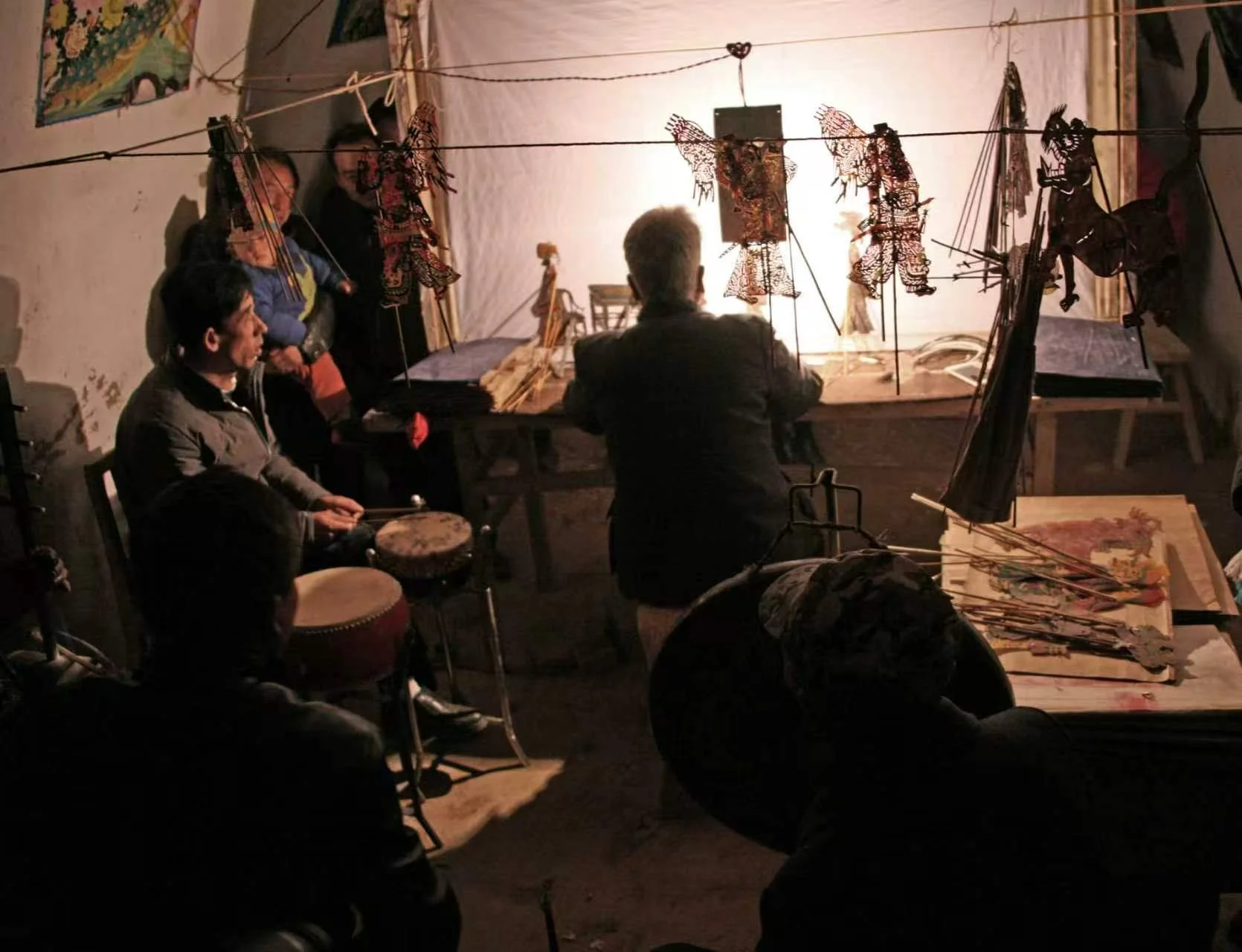
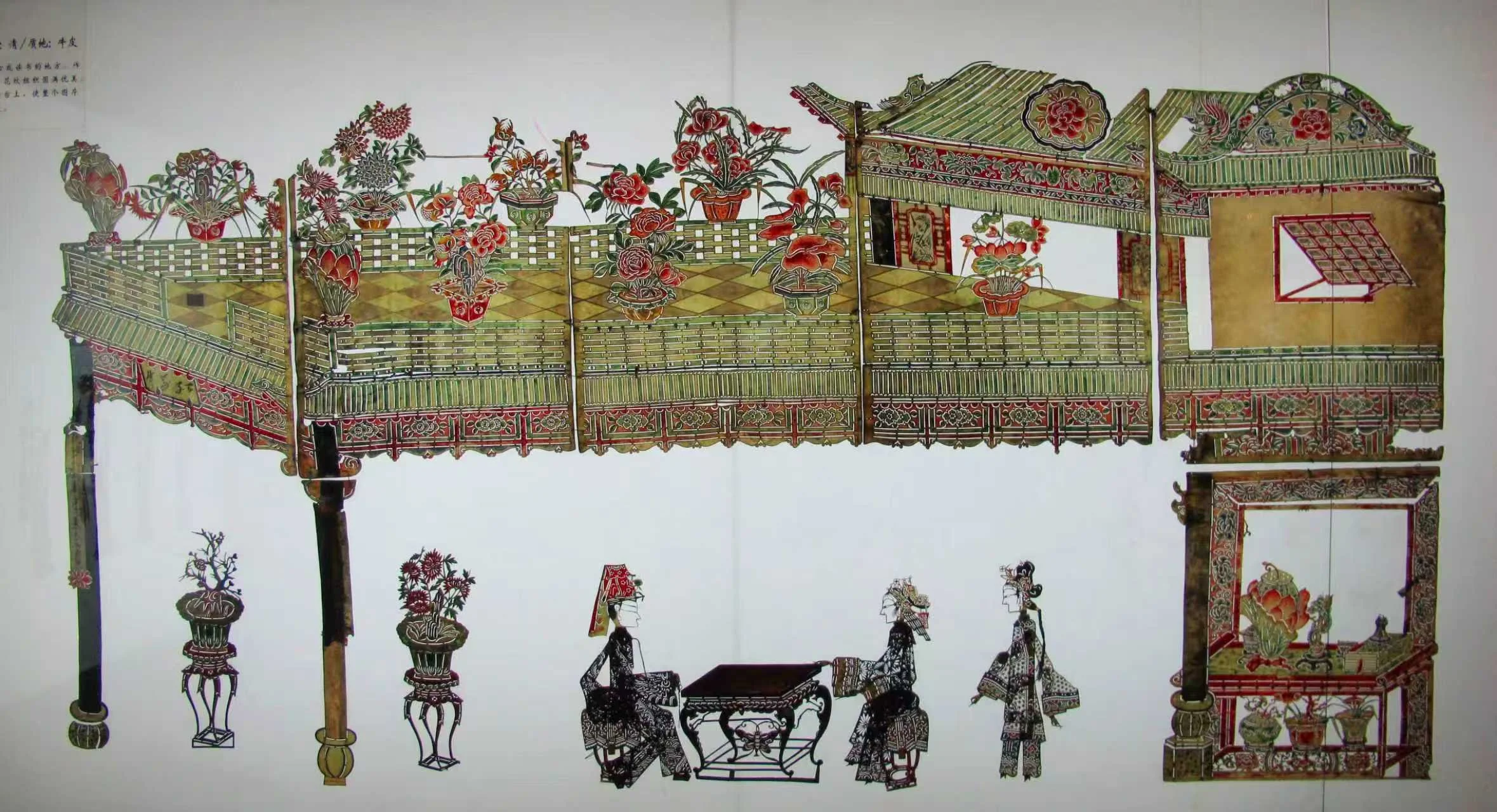
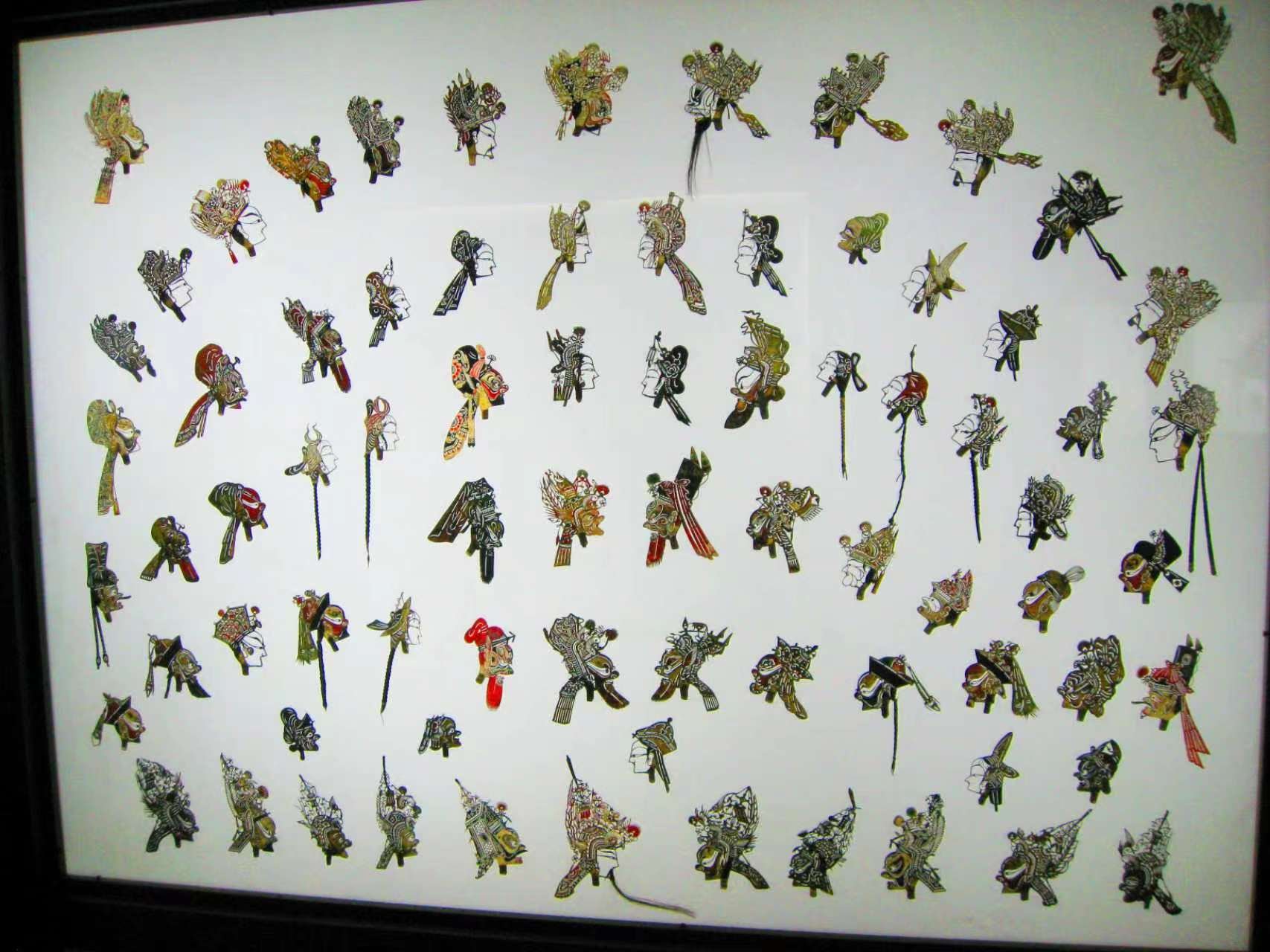
The art consists of three core parts: puppet carving, Daoqing vocal music and stage performance. Puppets are exquisitely carved from high-quality ox hide with a combination of positive and negative engraving techniques to depict characters’ costumes and expressions, featuring primitive and exaggerated aesthetics; a large number of antique shadow puppets from the Qing Dynasty have been preserved to this day. Derived from ancient Taoist chants, the vocal music falls into two main modes: lively Huayin for narrative plots and sorrowful Shangyin for lyrical episodes. Its iconic collective chorus known as Mahuang sounds grand and desolate, accompanied by homemade folk instruments including fish drum, four-string fiddle and rattle clapper, forming a highly distinctive sonic identity.
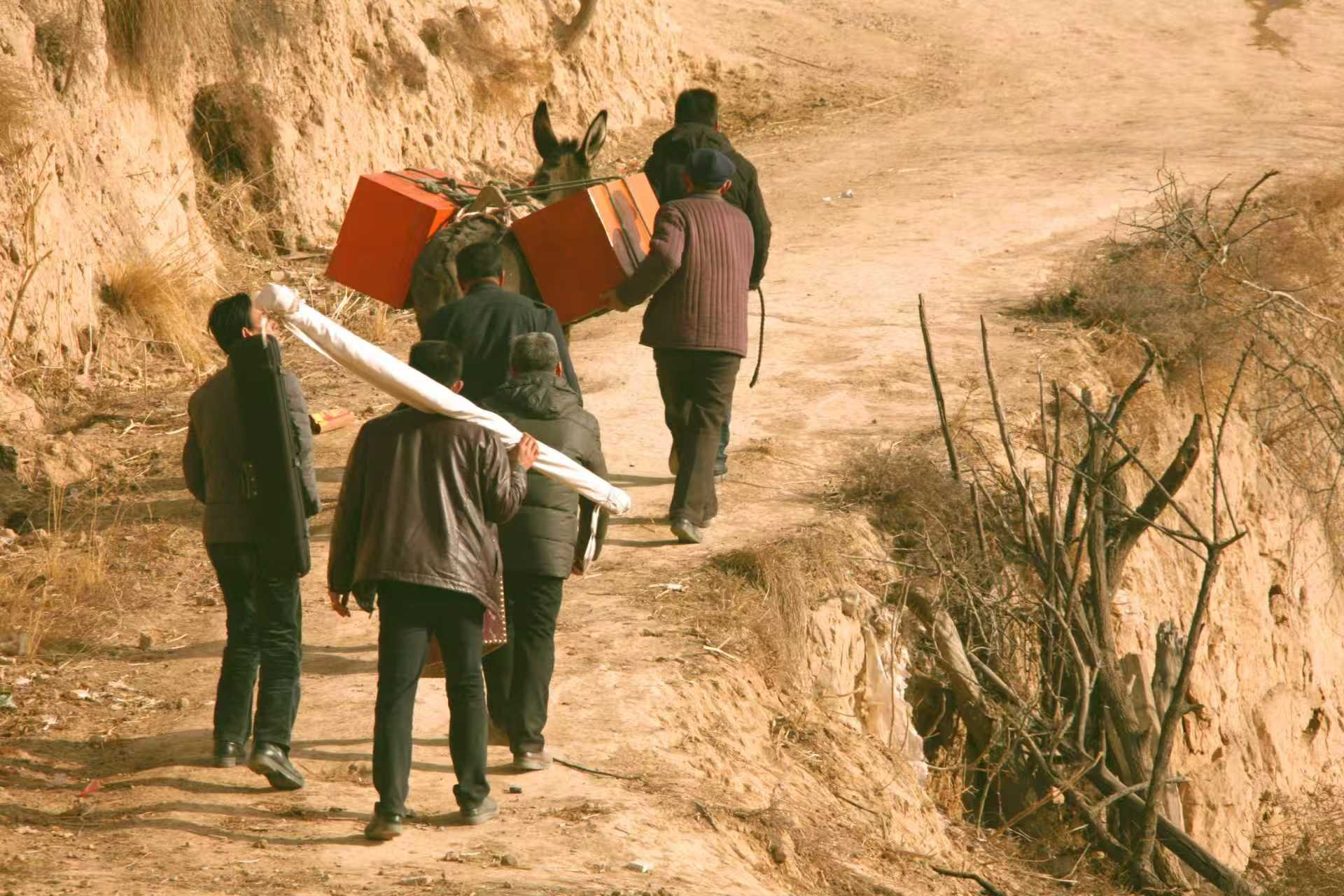
A traditional troupe only needs five to six performers to stage a complete show. One puppeteer manipulates all figures and delivers lines for every role on the front screen, while the backstage band plays accompaniment and chorus together. A three-foot white cloth serves as the screen with an oil lamp as the only light source, earning it the local nickname "small stage in cave dwellings". More than 180 traditional scripts survive, covering folk legends, rural daily life and moral edifying tales, which fully record farming customs and folk beliefs on the Loess Plateau and are hailed as living fossils of northwest rural culture.
This heritage has been staged across Europe in multiple international cultural exchange events, boasting a mature overseas communication foundation. Within the Shadow Pilgrimage curatorial plan, it is not adopted as creative material for the Oxford Phase 1 (Fuzhou God-Procession themed) project. Instead, it will serve as the core field research subject for Phase 2. Later creative programs will draw on its ox-hide carving craft, Loess-rooted rural narratives and Daoqing vocal core to launch brand-new cross-cultural shadow art and youth education practices.